
FKM rubber is one of the most reliable sealing materials used in demanding industrial environments. It is designed to perform where ordinary elastomers often fail, especially in conditions involving high heat, fuels, oils and aggressive chemicals. Because of this, it is widely used across industries such as oil and gas, automotive, aerospace, chemical processing and high-tech manufacturing.
What FKM Rubber Is?
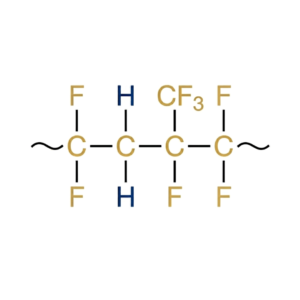
FKM is the technical name for a family of fluoroelastomer compounds defined under ASTM D1418. These materials are made from fluorinated monomers and their structure is dominated by strong carbon-fluorine bonds. This bond is one of the strongest in organic chemistry, which is why FKM offers excellent resistance to heat, oxidation, ozone and many harsh chemicals.
The material was originally developed in the late 1950s for aerospace applications, where seals had to survive extreme temperatures and exposure to demanding fluids. Over time, FKM became an important sealing material for many other industries that require long service life and stable performance in severe conditions.
Why FKM Performs Well?
FKM is valued because it combines thermal stability, chemical resistance and low gas permeability in one material family. Many FKM grades can handle continuous operating temperatures in the range of about -20°C to 204°C, while some specialized compounds can tolerate even higher short-term temperatures. It also performs well against ozone, UV exposure, petroleum oils, fuels and many industrial fluids.
Another important advantage is ageing resistance. FKM generally retains its properties better than many standard elastomers, which helps reduce seal replacement frequency and unplanned downtime. In applications where maintenance access is difficult or expensive, long service life becomes a major advantage.
FKM and Viton
FKM is the generic material classification for fluoroelastomers, while Viton is a trademark of The Chemours Company FC, LLC. Several other manufacturers also produce high-quality FKM compounds under different trade names. At ISMAT, the material equivalent to Viton is offered under the trade name and series Vertex FC.
For material selection, the exact compound, curing system, fluorine content and grade must match the application requirements. A compound that performs well in fuel service may not be suitable for steam, alkaline media or low-temperature use.
FKM Grade Classification
| ASTM Type | Grade Type | Main Monomers | Fluorine Content | ISMAT Material / Series | Key Properties | Common Applications |
|---|---|---|---|---|---|---|
| Type 1 | Di polymer | VDF + HFP | About 66% | VERTEX FC 11, VERTEX FC 14, VERTEX FC 16, VERTEX FC 16A, VERTEX FC 21, VERTEX FC 22BN | General-purpose grade, good compression set resistance, balanced performance | Automotive fuel systems, general industrial sealing |
| Type 2 | Terpolymer | VDF + HFP + TFE | 68–70% | VERTEX FC 09, VERTEX FC 13, VERTEX FC 39 | Better resistance to aggressive fuels, lubricants and chemicals | Chemical processing, reactors, industrial seals |
| Type 3 | Low-temperature Terpolymer grade | VDF + TFE + PMVE | 62–68% | VERTEX FC 10, VERTEX FC 15, VERTEX FC 15A, VERTEX FC 24 ULT, VERTEX FC 33 | Better flexibility in cold conditions while retaining chemical resistance | Aerospace, cold-climate oil and gas, outdoor equipment |
1) Dipolymer Grades
Dipolymer grades are the basic FKM formulations. They are made from vinylidene fluoride (VDF) and hexafluoropropylene (HFP) and they usually contain around 66% fluorine. These grades offer good compression set resistance and reliable performance in general sealing applications, especially where exposure to fuel and oil is common.
They are often selected when a dependable all-round material is needed without extremely severe chemical or thermal conditions. For many automotive and industrial sealing requirements, dipolymer grades offer a practical balance of cost and performance.
In ISMAT’s materials range, these dipolymer grades are represented by Vertex FC 11, Vertex FC 14, Vertex FC 16, Vertex FC 16A, Vertex FC 21 and Vertex FC 22BN.
2) Terpolymer Grades
Terpolymer grades include tetrafluoroethylene (TFE) in addition to VDF and HFP. This increases fluorine content and improves resistance to aggressive lubricants, oxygenated fuels and some industrial chemicals. Compared with simpler grades, they generally offer better heat resistance and lower permeability.
These grades are commonly used in chemical processing, reactors and high-performance fuel systems. They are often preferred when standard dipolymer grades do not provide enough durability in the operating environment.
In ISMAT’s materials range, these grades are represented by Vertex FC 09, Vertex FC 13 and Vertex FC 39.
3) Low-temperature Terpolymer grade
Low-temperature grades are designed to stay flexible in colder environments. These compounds often include perfluoromethyl vinyl ether (PMVE), which helps improve cold performance without losing too much chemical resistance. Grades such as GLT and GFLT are commonly used in aerospace and oil and gas applications, especially where sealing must remain reliable in sub-zero temperatures.
These grades are especially important in equipment exposed to outdoor climates, arctic conditions or cold-start cycles. In such cases, ordinary FKM may become too stiff, which can affect sealing performance.
In ISMAT’s materials range, these low-temperature grades are represented by Vertex FC 10, Vertex FC 15, Vertex FC 15A, Vertex FC 24 ULT and Vertex FC 33.
Specialized FKM Variants
| Specialized Grade | Main Advantage | Typical Use |
|---|---|---|
| Peroxide-curable FKM | Better resistance to steam, hot water, acids, bases and aggressive oils | Engine components, chemical processing, wet heat service |
| FDA-compliant FKM | Suitable for food and pharmaceutical contact | Pumps, mixers, valves, sterilization systems |
| Mil-spec / aerospace FKM | Meets strict aviation and defence standards | Aircraft fuel systems, hydraulic systems, critical seals |
| RGD-resistant FKM | Better resistance to rapid gas decompression | Pipelines, wellheads, valves, downhole equipment |
1) Peroxide-Curable Grades
Peroxide-cured FKM grades are used when stronger performance is needed in hot, wet or chemically aggressive conditions. Compared with traditional bisphenol-cured grades, they usually offer better resistance to steam, acids, bases and aggressive oils. They also tend to show improved tear strength and mechanical durability, which makes them useful in dynamic or high-stress applications.
Because of these benefits, peroxide-cured FKM grades are often selected for engine components, chemical processing systems and industrial seals exposed to heat and moisture. They are especially useful where standard FKM may lose performance over time in wet service.
2) FDA-Compliant Grades
For food and pharmaceutical applications, FDA-compliant FKM grades are available under relevant food-contact regulations. These materials are used in equipment that may undergo clean-in-place or sterilize-in-place processes, where the seal must withstand repeated cleaning cycles without contaminating the product. They are commonly used in pumps, mixers, valves and processing systems.
These grades are important in industries where hygiene, safety and compliance are part of the material selection process. Even when the mechanical performance is suitable, the seal must also meet regulatory expectations. In ISMAT’s materials range, the food-grade FKM option is represented by Vertex FC 22BN.
3) Mil-Spec and Aerospace Grades
Mil-spec grades are developed for aerospace and defence applications where material consistency and reliability are critical. These compounds are designed to meet standards such as AMS 3216 and MIL-R-83248. They are often used in fuel systems, hydraulic systems and other parts where the seal must perform under vibration, pressure variation and temperature extremes.
In these applications, traceability and performance stability are just as important as basic chemical resistance. A small seal failure in aerospace equipment can have serious consequences, so these grades are selected with great care.
4) RGD-Resistant Grades
In high-pressure oil and gas systems, seals can fail when gas pressure drops suddenly. This is called rapid gas decompression or RGD. RGD-resistant FKM grades are formulated to reduce this risk and help prevent internal cracking or rupture during sudden pressure changes.
They are widely used in pipelines, wellheads, valves, compressors and downhole equipment. These grades are especially important where pressurised gas exposure is followed by fast decompression cycles. At ISMAT, the RGD-resistant FKM options include Vertex FC 18, Vertex FC 11, Vertex FC 10 and Vertex FC 15.
For a deeper understanding of this topic, read our blog on “Why RGD/AED Resistance Is Critical for Oil & Gas Seals”.
FKM Compared with FEPM and FFKM
| Material | Main Strength | Typical Advantage | Best Fit |
|---|---|---|---|
| FKM | Heat and fuel resistance | Balanced performance and cost | General high-performance sealing |
| FEPM | Strong base and steam resistance | Better in alkaline and wet heat service | Steam, strong bases, specialised chemical service |
| FFKM | Extreme chemical resistance | Highest performance, highest cost | Ultra-aggressive chemicals and extreme conditions |
It is also important to distinguish FKM from other high-performance fluorinated elastomers. FEPM, such as AFLAS®, is a different material and is often preferred for strong bases and superheated steam where standard FKM may struggle. FFKM, such as Kalrez® or Chemraz®, is even more chemically resistant and is used in the most extreme applications, often at temperatures above 320°C.
These materials belong to the same broad family of high-performance fluoroelastomers, but they are not standard FKM. Each one has its own advantages and the correct choice depends on the exact chemical, thermal and mechanical conditions of the application.
Industrial Applications
1) Oil and Gas
FKM is widely used in oil and gas equipment where sealing failure can lead to safety risks, leakage or expensive downtime. It performs well in downhole tools, wellhead systems, valves and other high-pressure components because of its resistance to hydrocarbons and corrosive fluids. In many of these applications, RGD-resistant grades are preferred to reduce the risk of seal damage during sudden pressure changes.
2) Automotive
In automotive systems, FKM is used in fuel injectors, engine seals, turbocharger components, shaft seals and transmission parts. These components must withstand fuels, lubricants, heat and long service intervals without losing sealing performance. This makes FKM especially useful in modern engines, which often operate at higher temperatures and with more aggressive fuel blends.
3) Aerospace
Aerospace applications rely on FKM for fuel handling and hydraulic systems because of its thermal stability and low outgassing performance. It is selected for parts that must perform reliably under vibration, pressure variation and wide temperature changes. In this sector, consistency and long-term reliability are especially important.
4) Chemical Processing
Chemical processing plants use FKM seals in pumps, reactors and transfer systems that handle corrosive or high-temperature fluids. The material helps improve service life in environments where many standard elastomers degrade quickly. It is often chosen when chemical compatibility and heat resistance are both critical.
5) Food and Beverages
In food and beverage applications, approved FKM grades are used where hygiene, reliability and compliance are essential. These materials are suitable for seals that come into contact with process media, cleaning agents and sterilization conditions, while maintaining stable performance over time. They are commonly selected for equipment such as pumps, valves, mixers and processing systems where clean operation and consistent sealing are critical.
Cost and Value
FKM usually costs more than materials such as NBR or EPDM, but the higher initial cost is often justified by better durability and longer service life. In many industrial systems, the true cost of a seal includes downtime, replacement labour and lost production, not just the purchase price. For this reason, FKM is often a value-based decision rather than only a material upgrade.
For engineers and procurement teams, the key is to match the compound to the exact service conditions. Temperature, chemical exposure, pressure, movement and compliance requirements all matter. When the right grade is selected, FKM delivers dependable performance and strong long-term value.
Selection Factors
Selecting the correct FKM grade requires a clear understanding of the operating environment. A seal that works well in fuel service may not be suitable for steam or alkaline media. In the same way, a low-temperature grade may be needed where standard FKM would become too stiff.
Key factors to consider include:
➤ Operating temperature, both continuous and peak.
➤ Type of fluid or gas in contact with the seal.
➤ Static or dynamic sealing motion.
➤ Pressure level and risk of rapid decompression.
➤ Need for compliance with food, aerospace or industrial standards.
A careful review of these conditions helps avoid premature failure and improves overall system reliability.
Need Reliable FKM Materials? Choose ISMAT
FKM rubber remains one of the most important materials in modern sealing because it combines heat resistance, chemical stability and long service life. In demanding industrial environments, the right FKM grade can make a real difference in reducing downtime, improving sealing reliability and protecting overall plant performance.
At ISMAT, we supply high-performance sealing materials designed for critical applications where failure is not an option. With deep expertise in custom-engineered elastomers and industrial sealing solutions, ISMAT supports businesses that need dependable materials for tough operating conditions. For reliable FKM materials and application support, contact ISMAT today.
Get In Touch
Contact Us
Need high-performance FKM sealing solutions for critical applications?
Contact us for custom elastomers, engineering plastics and precision-engineered seals that meet industry and global standards.
FAQs
FKM rubber is a high-performance fluoroelastomer known for its excellent resistance to heat, fuels, oils and many aggressive chemicals. It is widely used in sealing applications where standard elastomers cannot perform reliably.
Low-temperature FKM grades are best for cold environments because they retain flexibility better than standard grades. These compounds are commonly used in applications where seals must perform reliably in sub-zero conditions.
FKM rubber is commonly used in oil and gas, automotive, aerospace, chemical processing and food equipment. It is chosen in these industries because of its strong resistance to heat, fuels, oils and process fluids.
Viton® is a brand name for FKM fluoro‑elastomer from Chemours (formerly DuPont), while FKM is the general material class. In other words, Viton is a specific line of FKM, not a different material. Both offer high‑temperature and chemical‑resistance performance, but specific FKM grades from different manufacturers may vary in low‑temperature behavior, compression set and cost.
FKM is preferred over standard rubber because it offers better durability, longer service life and stronger resistance to harsh operating conditions. In demanding applications, this helps reduce maintenance and improve sealing reliability.
