Contact Us

Everything About FKM Rubber: Materials, Grades and Industrial Applications

FKM rubber is one of the most reliable sealing materials used in demanding industrial environments. It is designed to perform where ordinary elastomers often fail, especially in conditions involving high heat, fuels, oils and aggressive chemicals. Because of this, it is widely used across industries such as oil and gas, automotive, aerospace, chemical processing and high-tech manufacturing.

What FKM Rubber Is?


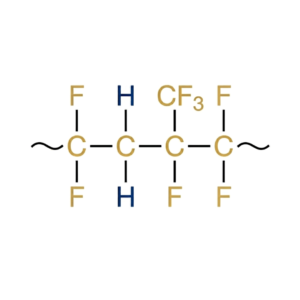
FKM

FKM is the technical name for a family of fluoroelastomer compounds defined under ASTM D1418. These materials are made from fluorinated monomers and their structure is dominated by strong carbon-fluorine bonds. This bond is one of the strongest in organic chemistry, which is why FKM offers excellent resistance to heat, oxidation, ozone and many harsh chemicals.

The material was originally developed in the late 1950s for aerospace applications, where seals had to survive extreme temperatures and exposure to demanding fluids. Over time, FKM became an important sealing material for many other industries that require long service life and stable performance in severe conditions.

Why FKM Performs Well?

FKM is valued because it combines thermal stability, chemical resistance and low gas permeability in one material family. Many FKM grades can handle continuous operating temperatures in the range of about -20°C to 204°C, while some specialized compounds can tolerate even higher short-term temperatures. It also performs well against ozone, UV exposure, petroleum oils, fuels and many industrial fluids.

Another important advantage is ageing resistance. FKM generally retains its properties better than many standard elastomers, which helps reduce seal replacement frequency and unplanned downtime. In applications where maintenance access is difficult or expensive, long service life becomes a major advantage.

FKM and Viton

FKM is the generic material classification for fluoroelastomers, while Viton is a trademark of The Chemours Company FC, LLC. Several other manufacturers also produce high-quality FKM compounds under different trade names. At ISMAT, the material equivalent to Viton is offered under the trade name and series Vertex FC.

For material selection, the exact compound, curing system, fluorine content and grade must match the application requirements. A compound that performs well in fuel service may not be suitable for steam, alkaline media or low-temperature use.

FKM Grade Classification
ASTM Type Grade TypeMain MonomersFluorine Content ISMAT Material / Series Key PropertiesCommon Applications
Type 1 Di polymerVDF + HFP About 66% VERTEX FC 11,
VERTEX FC 14,
VERTEX FC 16,
VERTEX FC 16A,
VERTEX FC 21,
VERTEX FC 22BN
General-purpose grade, good compression set resistance, balanced performance Automotive fuel systems, general industrial sealing
Type 2 Terpolymer VDF + HFP + TFE 68–70% VERTEX FC 09,
VERTEX FC 13,
VERTEX FC 39
Better resistance to aggressive fuels, lubricants and chemicals Chemical processing, reactors, industrial seals
Type 3 Low-temperature Terpolymer gradeVDF + TFE + PMVE 62–68% VERTEX FC 10,
VERTEX FC 15,
VERTEX FC 15A,
VERTEX FC 24 ULT,
VERTEX FC 33
Better flexibility in cold conditions while retaining chemical resistanceAerospace, cold-climate oil and gas, outdoor equipment

1) Dipolymer Grades

Dipolymer grades are the basic FKM formulations. They are made from vinylidene fluoride (VDF) and hexafluoropropylene (HFP) and they usually contain around 66% fluorine. These grades offer good compression set resistance and reliable performance in general sealing applications, especially where exposure to fuel and oil is common.

They are often selected when a dependable all-round material is needed without extremely severe chemical or thermal conditions. For many automotive and industrial sealing requirements, dipolymer grades offer a practical balance of cost and performance.

In ISMAT’s materials range, these dipolymer grades are represented by Vertex FC 11, Vertex FC 14, Vertex FC 16, Vertex FC 16A, Vertex FC 21 and Vertex FC 22BN.

2) Terpolymer Grades

Terpolymer grades include tetrafluoroethylene (TFE) in addition to VDF and HFP. This increases fluorine content and improves resistance to aggressive lubricants, oxygenated fuels and some industrial chemicals. Compared with simpler grades, they generally offer better heat resistance and lower permeability.

These grades are commonly used in chemical processing, reactors and high-performance fuel systems. They are often preferred when standard dipolymer grades do not provide enough durability in the operating environment.

In ISMAT’s materials range, these grades are represented by Vertex FC 09, Vertex FC 13 and Vertex FC 39.

3) Low-temperature Terpolymer grade

Low-temperature grades are designed to stay flexible in colder environments. These compounds often include perfluoromethyl vinyl ether (PMVE), which helps improve cold performance without losing too much chemical resistance. Grades such as GLT and GFLT are commonly used in aerospace and oil and gas applications, especially where sealing must remain reliable in sub-zero temperatures.

These grades are especially important in equipment exposed to outdoor climates, arctic conditions or cold-start cycles. In such cases, ordinary FKM may become too stiff, which can affect sealing performance.

In ISMAT’s materials range, these low-temperature grades are represented by Vertex FC 10, Vertex FC 15, Vertex FC 15A, Vertex FC 24 ULT and Vertex FC 33.

Specialized FKM Variants
Specialized Grade Main AdvantageTypical Use
Peroxide-curable FKM Better resistance to steam, hot water, acids, bases and aggressive oilsEngine components, chemical processing, wet heat service
FDA-compliant FKM Suitable for food and pharmaceutical contactPumps, mixers, valves, sterilization systems
Mil-spec / aerospace FKMMeets strict aviation and defence standardsAircraft fuel systems, hydraulic systems, critical seals
RGD-resistant FKM Better resistance to rapid gas decompressionPipelines, wellheads, valves, downhole equipment

1) Peroxide-Curable Grades

Peroxide-cured FKM grades are used when stronger performance is needed in hot, wet or chemically aggressive conditions. Compared with traditional bisphenol-cured grades, they usually offer better resistance to steam, acids, bases and aggressive oils. They also tend to show improved tear strength and mechanical durability, which makes them useful in dynamic or high-stress applications.

Because of these benefits, peroxide-cured FKM grades are often selected for engine components, chemical processing systems and industrial seals exposed to heat and moisture. They are especially useful where standard FKM may lose performance over time in wet service.

2) FDA-Compliant Grades

For food and pharmaceutical applications, FDA-compliant FKM grades are available under relevant food-contact regulations. These materials are used in equipment that may undergo clean-in-place or sterilize-in-place processes, where the seal must withstand repeated cleaning cycles without contaminating the product. They are commonly used in pumps, mixers, valves and processing systems.

These grades are important in industries where hygiene, safety and compliance are part of the material selection process. Even when the mechanical performance is suitable, the seal must also meet regulatory expectations. In ISMAT’s materials range, the food-grade FKM option is represented by Vertex FC 22BN.

3) Mil-Spec and Aerospace Grades

Mil-spec grades are developed for aerospace and defence applications where material consistency and reliability are critical. These compounds are designed to meet standards such as AMS 3216 and MIL-R-83248. They are often used in fuel systems, hydraulic systems and other parts where the seal must perform under vibration, pressure variation and temperature extremes.

In these applications, traceability and performance stability are just as important as basic chemical resistance. A small seal failure in aerospace equipment can have serious consequences, so these grades are selected with great care.

4) RGD-Resistant Grades

In high-pressure oil and gas systems, seals can fail when gas pressure drops suddenly. This is called rapid gas decompression or RGD. RGD-resistant FKM grades are formulated to reduce this risk and help prevent internal cracking or rupture during sudden pressure changes.

They are widely used in pipelines, wellheads, valves, compressors and downhole equipment. These grades are especially important where pressurised gas exposure is followed by fast decompression cycles. At ISMAT, the RGD-resistant FKM options include Vertex FC 18, Vertex FC 11, Vertex FC 10 and Vertex FC 15.

For a deeper understanding of this topic, read our blog on “Why RGD/AED Resistance Is Critical for Oil & Gas Seals”.

FKM Compared with FEPM and FFKM

Material Main Strength Typical AdvantageBest Fit
FKM Heat and fuel resistanceBalanced performance and cost General high-performance sealing
FEPM Strong base and steam resistance Better in alkaline and wet heat service Steam, strong bases, specialised chemical service
FFKM Extreme chemical resistance Highest performance, highest cost Ultra-aggressive chemicals and extreme conditions

It is also important to distinguish FKM from other high-performance fluorinated elastomers. FEPM, such as AFLAS®, is a different material and is often preferred for strong bases and superheated steam where standard FKM may struggle. FFKM, such as Kalrez® or Chemraz®, is even more chemically resistant and is used in the most extreme applications, often at temperatures above 320°C.

These materials belong to the same broad family of high-performance fluoroelastomers, but they are not standard FKM. Each one has its own advantages and the correct choice depends on the exact chemical, thermal and mechanical conditions of the application.

Industrial Applications


1) Oil and Gas

FKM is widely used in oil and gas equipment where sealing failure can lead to safety risks, leakage or expensive downtime. It performs well in downhole tools, wellhead systems, valves and other high-pressure components because of its resistance to hydrocarbons and corrosive fluids. In many of these applications, RGD-resistant grades are preferred to reduce the risk of seal damage during sudden pressure changes.

2) Automotive

In automotive systems, FKM is used in fuel injectors, engine seals, turbocharger components, shaft seals and transmission parts. These components must withstand fuels, lubricants, heat and long service intervals without losing sealing performance. This makes FKM especially useful in modern engines, which often operate at higher temperatures and with more aggressive fuel blends.

3) Aerospace

Aerospace applications rely on FKM for fuel handling and hydraulic systems because of its thermal stability and low outgassing performance. It is selected for parts that must perform reliably under vibration, pressure variation and wide temperature changes. In this sector, consistency and long-term reliability are especially important.

4) Chemical Processing

Chemical processing plants use FKM seals in pumps, reactors and transfer systems that handle corrosive or high-temperature fluids. The material helps improve service life in environments where many standard elastomers degrade quickly. It is often chosen when chemical compatibility and heat resistance are both critical.

5) Food and Beverages

In food and beverage applications, approved FKM grades are used where hygiene, reliability and compliance are essential. These materials are suitable for seals that come into contact with process media, cleaning agents and sterilization conditions, while maintaining stable performance over time. They are commonly selected for equipment such as pumps, valves, mixers and processing systems where clean operation and consistent sealing are critical.

Cost and Value

FKM usually costs more than materials such as NBR or EPDM, but the higher initial cost is often justified by better durability and longer service life. In many industrial systems, the true cost of a seal includes downtime, replacement labour and lost production, not just the purchase price. For this reason, FKM is often a value-based decision rather than only a material upgrade.

For engineers and procurement teams, the key is to match the compound to the exact service conditions. Temperature, chemical exposure, pressure, movement and compliance requirements all matter. When the right grade is selected, FKM delivers dependable performance and strong long-term value.

Selection Factors

Selecting the correct FKM grade requires a clear understanding of the operating environment. A seal that works well in fuel service may not be suitable for steam or alkaline media. In the same way, a low-temperature grade may be needed where standard FKM would become too stiff.

Key factors to consider include:

➤ Operating temperature, both continuous and peak.

➤ Type of fluid or gas in contact with the seal.

➤ Static or dynamic sealing motion.

➤ Pressure level and risk of rapid decompression.

➤ Need for compliance with food, aerospace or industrial standards.

A careful review of these conditions helps avoid premature failure and improves overall system reliability.

Need Reliable FKM Materials? Choose ISMAT

FKM rubber remains one of the most important materials in modern sealing because it combines heat resistance, chemical stability and long service life. In demanding industrial environments, the right FKM grade can make a real difference in reducing downtime, improving sealing reliability and protecting overall plant performance.

At ISMAT, we supply high-performance sealing materials designed for critical applications where failure is not an option. With deep expertise in custom-engineered elastomers and industrial sealing solutions, ISMAT supports businesses that need dependable materials for tough operating conditions. For reliable FKM materials and application support, contact ISMAT today.


Why HNBR Is Preferred for High‑Pressure, High‑Temperature Oilfield Environment

In the demanding world of modern oil and gas operations, the failure of a single sealing component can lead to catastrophic downtime, safety incidents and substantial financial loss. As drilling and production environments push into deeper, hotter and more corrosive zones, operators are increasingly turning to Hydrogenated Nitrile Butadiene Rubber (HNBR) as a high‑reliability sealing solution. Often referred to as Highly Saturated Nitrile (HSN), HNBR occupies a critical middle ground between standard nitrile (NBR) and premium fluoroelastomers (FKM/FFKM). It combines strong heat resistance, chemical resistance and mechanical toughness at a more practical cost, making it ideal for HPHT reservoirs, deepwater wells and sour‑gas environments.

For oilfield engineers and procurement teams, HNBR is not just another elastomer; it is a strategic material choice that helps maintain seal integrity, reduce unplanned maintenance and extend equipment life in some of the industry’s harshest conditions.

What Is HNBR and Why It Matters for Oilfields

HNBR is a modified form of standard nitrile rubber (NBR), produced by hydrogenating the polymer backbone to reduce the number of vulnerable carbon‑double bonds. This chemical saturation gives HNBR superior resistance to heat, oxidation, sour gas (H₂S) and aggressive drilling fluids compared with conventional NBR. The continuous service temperature of many HNBR compounds typically ranges from around 150 to 165°C, significantly higher than the roughly 100–120°C limit of many NBR grades.

Because of this, HNBR maintains better elasticity, compression‑set resistance and dimensional stability at elevated temperatures, which is crucial for seals that must remain tight over long production cycles. It also shows improved resistance to swelling and embrittlement when exposed to synthetic drilling fluids, brines, corrosion inhibitors and sour‑gas mixtures. For engineers designing seals for downhole tools, packers, valves and manifolds, HNBR offers a compelling value proposition: performance much closer to FKM or FFKM, but at a lower total cost than many high‑end fluoroelastomers.

Why HNBR Is Preferred for High‑Pressure, High‑Temperature Oilfields

There are three main reasons why HNBR is increasingly favored in high‑pressure, high‑temperature oilfield environments and each of them directly addresses the operational and safety concerns of engineers and operators.

●  HNBR provides superior thermal and chemical resistance. In HPHT wells and deepwater developments, seals are exposed to temperatures often exceeding 135–150°C, along with sour gas (H₂S), CO₂ and aggressive brines or synthetic drilling fluids.

●  The hydrogenated structure of HNBR helps it retain mechanical properties and sealing force under these conditions, while resisting degradation that would rapidly weaken standard NBR. This makes HNBR particularly suitable for downhole packers, high‑temperature valves and pump seals, where long‑term reliability under heat and chemical attack is critical.

●  HNBR exhibits excellent mechanical strength and abrasion resistance. Oilfield equipment is subject to constant friction, vibration and wear, especially in dynamic applications such as drill bit seals, stator seals in progressive cavity pumps and rotating or reciprocating components.

●  HNBR delivers higher tensile strength and better tear resistance than many other rubbers, allowing seals to withstand repeated mechanical stress without cutting, cracking or premature wear. This translates into longer service life, fewer failures and lower maintenance requirements.

●  For high‑pressure gas systems, HNBR demonstrates strong resistance to Rapid Gas Decompression (RGD). In blowout preventers, gas injection wells and high‑pressure gas‑handling equipment, a sudden pressure drop can cause gas trapped inside the elastomer to expand rapidly, leading to blistering, cracking and complete seal failure. HNBR’s compact, hydrogenated structure reduces gas permeability and internal gas trapping, making it significantly more resistant to RGD than many conventional elastomers.

●  When properly formulated, HNBR compounds can meet stringent RGD standards such as NORSOK M‑710, which is a key requirement for many operators in sour‑gas and deepwater projects.

Critical Applications of HNBR in Oilfield Equipment

HNBR is not limited to a single niche; it plays a central role across the oilfield lifecycle, from drilling and completion to production and processing. Engineers can use the same material family in a wide range of components, while tailoring the compound to suit specific pressure, temperature and chemical environments.

1) Blowout preventer (BOP) seals

BOPs are the primary safety barrier on a well and their elastomeric seals must perform reliably under extreme pressures (often 10,000–15,000 psi) and at elevated temperatures. HNBR BOP seals benefit from high‑temperature capability, low compression set and RGD resistance, which together reduce the risk of leakage or sudden failure during pressure tests or well‑control operations. For procurement, sourcing HNBR BOP seals from a manufacturer that can demonstrate compliance with NORSOK, API or other relevant standards is essential for safety, regulatory acceptance and operator confidence.

2) Packer elements for production and completion packers

Packer elements must isolate different zones in the wellbore while enduring fluctuating pressures, temperatures and exposure to corrosive fluids. HNBR packer elements combine flexibility with strength, allowing them to maintain a tight seal even in irregular or worn casing profiles. Their ability to resist sour gas, H₂S and aggressive brines helps operators maximize production, reduce squeeze‑packer failures and extend the life of packer hardware.

3) HNBR valve seals and O‑rings

In valves, manifolds and connectors, HNBR valve seals and O‑rings provide reliable sealing under high pressure and temperature. These components are often exposed to lubricants, hydraulic fluids and process gases that can degrade lesser elastomers, leading to leaks or extrusion. HNBR O‑rings and similar static seals maintain their performance in these environments, reducing the frequency of seal replacements and unplanned shutdowns.

4) Drilling and downhole equipment

HNBR adds value in drilling and downhole tools, where mechanical and thermal stress are intense. Drill bit seals protect bearings from sand, mud and debris, while stator seals in progressive cavity pumps handle abrasive slurries and high differential pressures.

HNBR’s combination of high tensile strength, oil resistance and abrasion resistance makes it an excellent choice for these roles, helping operators extend tool life and reduce non‑productive time.

How HNBR Compares to NBR and FKM in Oilfield Seals

To support material‑selection decisions in oilfield sealing systems, it is helpful to compare HNBR with the two most common elastomer families: standard nitrile (NBR) and fluoroelastomers (FKM/FFKM). The table below summarizes the main differences in key sealing properties:

PropertyHNBR NBR FKM/FFKM
Continuous use TemperatureAround 150–165°CTypically 100–120°C Often 200–250°C or higher
Sour Gas / H₂S Resistance GoodFair–poor Excellent
RGD Resistance Good–excellent (with proper formulation)PoorExcellent
Oil and fuel Resistance Excellent Very good Excellent
Mechanical Strength HighModerateHigh
Abrasion Resistance Good–excellentModerateModerate
Cost Level ModerateLow High

From this perspective, HNBR represents a “value‑plus‑performance” option for many oilfield applications where temperatures exceed the safe range of NBR. Sour‐gas exposure or RGD is a concern, but full‑fluoro costs are difficult to justify. Engineers can treat HNBR as a default upgrade over NBR in high‑pressure, high‑temperature or mildly sour environments, while reserving FKM/FFKM for the most extreme cases involving very high temperatures, strongly aggressive chemicals or severe RGD conditions.

Strategic Value of HNBR in Oilfield Sealing

Adopting HNBR‑based seals is more than a technical adjustment; it is a strategic move to improve system reliability and control total cost of ownership. Under high‑temperature and sour‑gas conditions, HNBR seals tend to fail less frequently than NBR, which directly reduces unplanned maintenance, workovers and rig downtime. Longer‑lasting seals also lead to fewer spare‑part stocks and more predictable maintenance schedules, simplifying inventory planning and reducing logistical pressure on operations.

Although HNBR may carry a higher unit price than standard NBR, it often delivers a lower total cost of ownership by:

●  Extending service life and reducing replacement frequency,

●  Lowering the risk of leaks, environmental incidents and associated remediation costs,

●  Minimizing lost production caused by unexpected seal failures.

When evaluating HNBR, material selection should be based not only on initial price but also on expected service life, failure rate and the level of technical support offered by the manufacturer. A reliable HNBR seals supplier for oil & gas typically provides:

●  Well‑characterized compounds that meet RGD, NORSOK, API or customer‑specific requirements,

●  Consistent quality control and traceability,

●  Technical support during qualification, field trials and troubleshooting.

This level of partnership allows operators to integrate HNBR confidently into new projects and retrofit older equipment, knowing that each seal is engineered to match the specific pressure, temperature and chemical demands of the oilfield environment.

HNBR Seals from ISMAT: The Smart Choice for High‑Reliability Oilfield Equipment

At ISMAT, our HNBR‑based oilfield seals are engineered specifically for demanding HPHT and sour‑gas service. Our formulations are designed to deliver excellent temperature resistance, strong H₂S and brine compatibility and proven RGD performance in critical components such as BOPs, packers, valves and downhole tools. ISMAT’s HNBR seals are developed and tested to meet rigorous industry standards, including NORSOK M‑710 certification for RGD‑resistant performance and compatibility with oilfield‑specific fluids and pressures. With our in‑house material development, strict quality control and global‑ready manufacturing, ISMAT delivers HNBR seals that combine certification‑ready performance, field‑proven reliability and fast, responsive support for operators worldwide.


Why Compression Set Matters for Your Industrial Seals

In the high-stakes world of industrial manufacturing, a single component often stands between seamless operation and a catastrophic system failure: the elastomer seal. While engineers frequently focus on a material’s hardness, chemical compatibility or temperature rating, there is one metric that quietly determines long-term reliability – “compression set”.

If you have ever wondered why a high‑quality O‑ring start leaking after months of perfect service, the answer is often this: the seal has lost its ability to “push back” against the hardware. Visualizing compression set as the silent memory loss of your seals makes it easier to understand why it is not just a laboratory curiosity, but a critical design and maintenance decision for any industrial plant.

What Really Happens Inside the Seal?

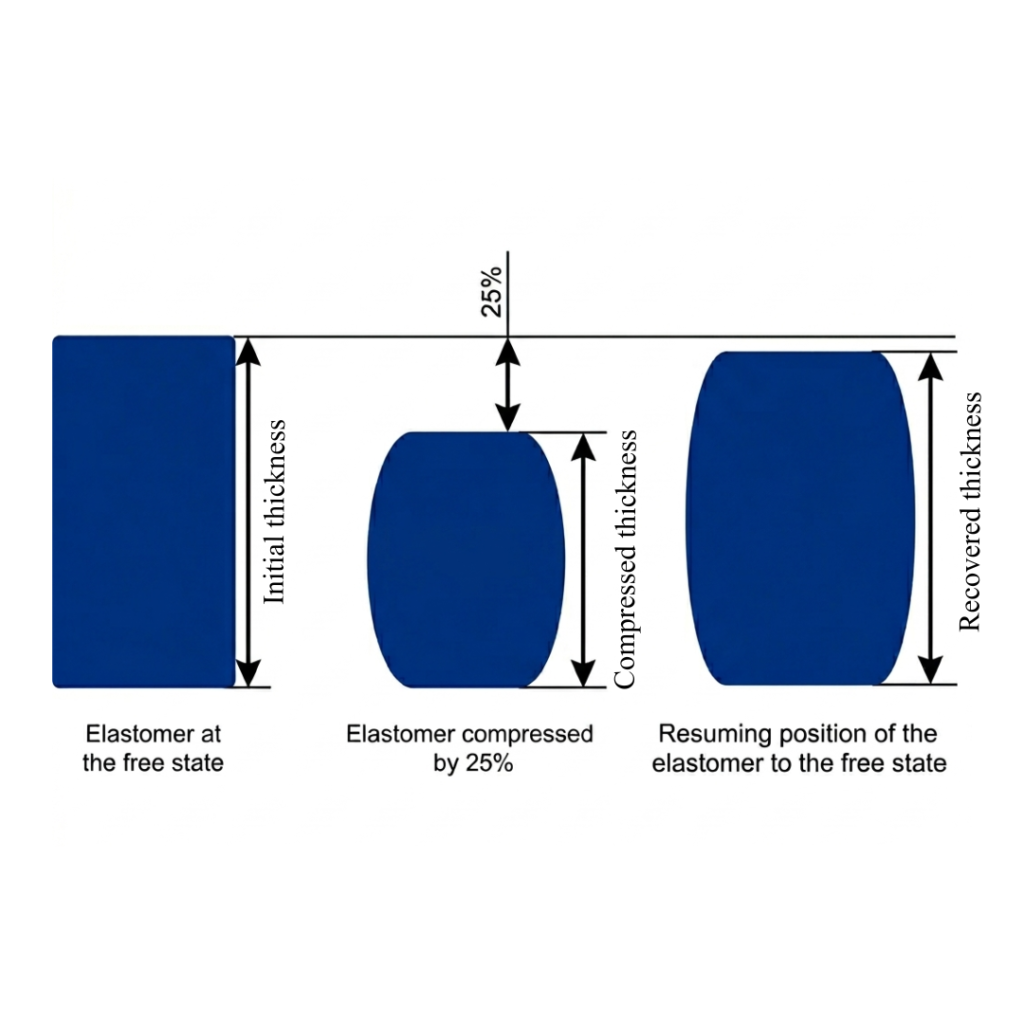
At its core, the compression set is the permanent change in shape that remains in an elastomer after it is compressed and then released. Imagine a rubber gasket squeezed between two metal flanges for months or even years. When the flanges are finally separated, the ideal result is that the gasket returns to its original thickness. In reality, many rubber materials stay slightly flattened or distorted and do not fully spring back. 

This leftover deformation is expressed as a percentage of how much the seal was originally compressed. A 0% compression set means the material recovers completely, like a perfectly elastic band. A 100% compression set means the material stays flat and has lost almost all of its ability to push back. 

What many engineers overlook is that compression set is not just a single lab value; it is a living indicator of how the polymer chains inside the seal respond to long‑term stress and heat. The more those chains get locked in the compressed position, the more the seal weakens and loses its sealing power over time.

The Physics of Sealing Force and Seal Memory

An effective seal is not just about the initial installation; it is about the continuous sealing force it exerts against the mating surfaces. This back pressure is the reason O‑rings, gaskets and other elastomeric components remain leak‑tight.

Under sustained compression – particularly at elevated temperatures, molecular chains in the elastomer can break and reform in the compressed state. Some of these bonds never return to their original configuration, effectively erasing the seal’s “memory” of its uncompressed shape. As the material’s ability to rebound diminishes, so does the sealing force and leaks inevitably appear.

In high‑pressure or high‑temperature environments, this process is not just a matter of wear; it is a chemical and structural transformation of the sealing material.

How Compression Set is Measured: The ASTM D395 Standard

To ensure consistency across the industry, engineers rely on the ASTM D395 standard, which defines how compression set is measured. The two primary methods are:

Method A – Constant Force: Measures compression set under a continuous load. This is typically used for vibration mounts and similar applications, but rarely for industrial seals.

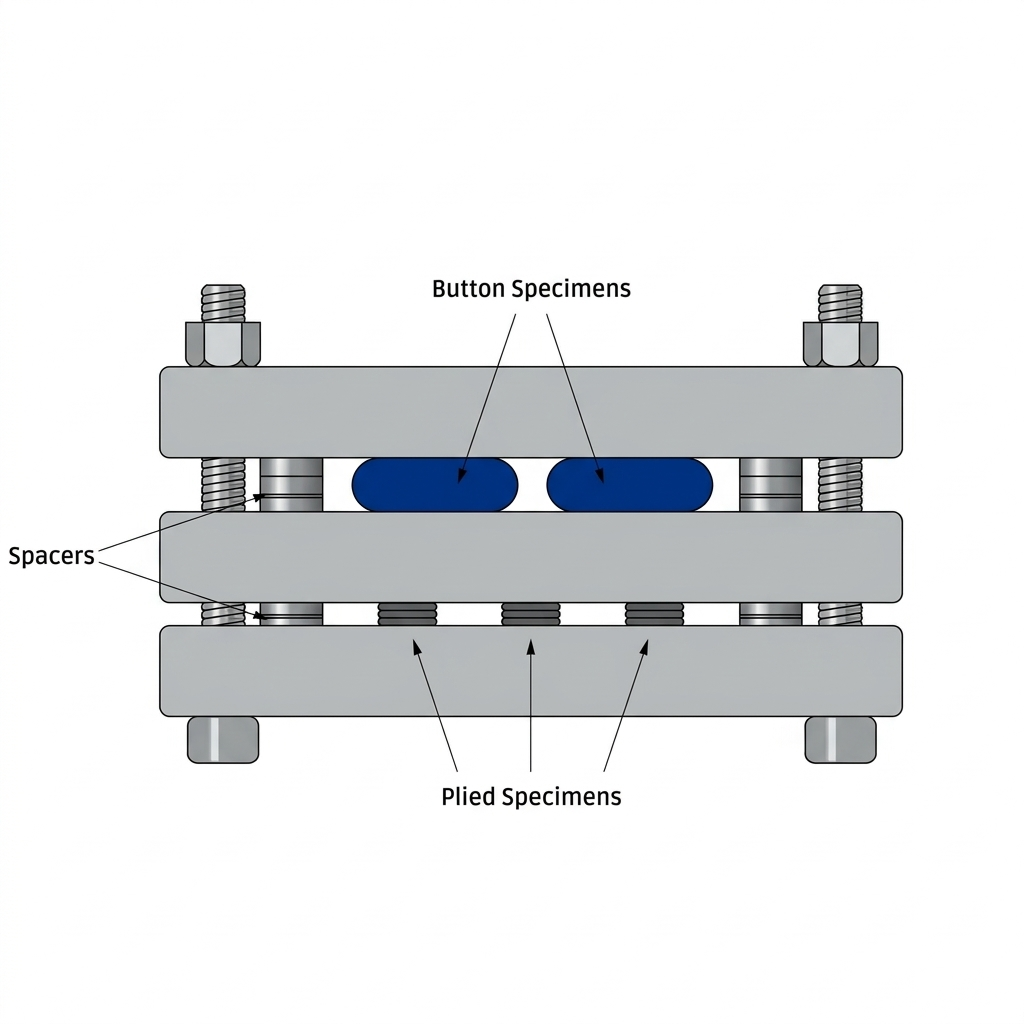
Method B – Constant Deflection: This is the industry standard for seals and gaskets. It simulates how a seal is installed in a metal groove, holding the specimen at a fixed percentage of its original height—usually 25% or 40% deflection—for a defined period in an oven.

Constant Deflection

After the test duration (commonly 22 or 70 hours), the specimen is removed, allowed to recover for 30 minutes and then measured. The difference between the original thickness and the recovered thickness reveals the degree of permanent deformation.

The Mathematics Behind the Measurement

The compression set calculation quantifies this behavior in a way that allows engineers to compare different materials:

compression set

Compression Set % = [(Initial Thickness − Final Thickness) /(Initial Thickness − Spacer Thickness)] × 100


This formula emphasizes that the compression set is not simply “how flat the seal is,” but rather how much recovery capability it has lost relative to its original compressed state. A lower percentage indicates a material that retains more of its elastic memory and therefore better long-term sealing performance.

Industries that use O‑rings and gaskets for critical applications often consider 20% or lower to be excellent for high‑performance sealing, while values exceeding 40% may signal unsuitability for demanding environments.

Material Families and Their Recovery Characteristics

Different elastomers exhibit vastly different compression set behaviors and understanding these differences is key to selecting the right material for the application.


FKM Variants

Trade Name Material ASTM D 395 METHOD B ASTM D 395 METHOD B ASTM D 395 METHOD B
Compression Set 22hrs@200°C

(Value in %)
Compression Set (Max)
( 70 hrs @ 24 ⁰C )

(Value in %)
Compression Set
70hrs@200°C

(Value in %)
Vertex FC 09 FKM 12.9016.11
Vertex FC 10 FKM 11.314.4
Vertex FC 11 FKM 18.4723.75
Vertex FC 13 FKM 9.0318.53
Vertex FC 14 FKM 9.6213.02
Vertex FC 15 FKM 12.9016.98
Vertex FC 15A FKM 10.2918.35
Vertex FC 16 FKM6.8412.91
Vertex FC 16A FKM17.4625.40
Vertex FC 18 FKM22.7131.25
Vertex FC 24ULT FKM8.3916.13
Vertex FC 33FKM7.8212.05

FFKM Variants

Trade NameMaterialASTM D 395 METHOD BASTM D 395 METHOD BASTM D 395 METHOD BASTM D 395 METHOD BASTM D 395 METHOD B
Compression Set (Max)
( 22 hrs @ 200 ⁰C) (ORING)

(Value in %)
Compression Set (Max)
( 22 hrs @ 250 ⁰C) (ORING)

(Value in %)
Compression Set 24hrs@200°C

(Value in %)
Compression Set
70hrs@200°C

(Value in %)
Compression Set (Max)
( 70 hrs @ 250 ⁰C) (ORING)

(Value in %)
Vertex F 01EDFFKM30 (Max)
Vertex F 02FFKM30 (Max)
Vertex F 02LTFFKM 20.00
Vertex F 03HTFFKM 25 (Max)
Vertex F 04HTFFKM35 (Max)
Vertex F 05FFKM 30 (Max)
Vertex F 06HTFFKM25 (Max)
VERTEX F 07LTFFKM 30 (Max)
VERTEX F 09MFFKM30 (Max)
VERTEX F 10MFFKM30 (Max)
VERTEX F 16 FFKM17.0227.2218.0939.44

HNBR Variants

Trade NameMaterial ASTM D 395 METHOD BASTM D 395 METHOD BASTM D 395 METHOD BASTM D 395 METHOD B
Compression Set
22hrs@100°C

(Value in %)
Compression Set
70hrs@100°C

(Value in %)
Compression Set
22hrs @150°C

(Value in %)
Compression Set
70hrs @150°C

(Value in %)
Vertex H 16LTHNBR 25 (Max) 35 (Max)
Vertex H 17HNBR9.5218.77
Vertex H 18HNBR25 (Max)35 (Max)
Vertex H 18LTHNBR 14.9224.84


Each of these materials offers a unique balance between performance, cost and service life and compression set is one of the most reliable indicators of how well that balance is maintained over time.

Environmental Factors That Accelerate Failure

Compression set is not an inherent property; it is heavily influenced by the service environment.

Temperature: Heat is the primary accelerator of compression set. Higher temperatures increase the mobility of polymer chains, making them more likely to re‑form in the compressed state and permanently lose thickness.

Time: The longer a seal remains under load, the more pronounced the compression set becomes.

Chemical Exposure: Incompatible fluids can cause volume swell or degrade the polymer network, further reducing the seal’s ability to rebound.

Practical Strategies for Industrial Operations

To mitigate the risk of seal failure in your facility, consider the following actionable steps:

Specify by Application: Do not rely on generic “good for sealing” labels. Instead, request compression set data that matches your actual operating temperature and duration.

Audit Gland Design: Ensure groove dimensions and squeeze percentages are consistent with recommended engineering practices to avoid over‑stressing the material.

Prioritize Proper Cure: Ensure seals are fully vulcanized. A post‑cure process can significantly improve a material’s recovery performance, extending its service life.

Prioritize Compression Set in Your Sealing Strategy—Partner with ISMAT for Engineered Elastomer Solutions

In industrial sealing, compression set is a hidden but critical factor in reliability. It often goes unnoticed during commissioning, only revealing itself months or years later as a gradual rise in leakage, increased maintenance calls or unplanned shutdowns. By understanding how this property is measured through the ASTM D395 standard and prioritizing low compression set elastomers, you can dramatically extend the service life of your equipment and avoid the costly consequences of unexpected leaks.

Compression set is not just a technical metric; it is a design philosophy. It reminds us that the true performance of a seal is not how it looks at installation, but how it behaves over time under the stresses of real‑world operation. Choosing the right elastomers based not only on basic properties such as hardness and temperature range, but also on their ability to retain shape and sealing force under prolonged load and fluctuating conditions, is what separates short‑term, reactive seal replacement from long‑term, strategic sealing‑system design. 

For manufacturers like ISMAT, with decades of experience in high‑performance sealing solutions, controlling compression set is at the heart of the value proposition. ISMAT’s in‑house compound development, such as the Vertex elastomer series, is explicitly engineered to deliver low compression set, excellent rebound and long‑term sealing integrity in demanding Oil & Gas, energy, hydrogen and general‑industry applications. By combining precise material design, rigorous testing and deep application know‑how, ISMAT turns compression set from a risk factor into a competitive advantage – ensuring that the seals protecting your systems remain the silent heroes of your operations, not the hidden causes of failure.


Why RGD/AED Resistance Is Critical for Oil & Gas Seals

In the high-stakes world of oil and gas, where pressures soar to 20,000 psi and a single seal failure can halt production worth millions, RGD resistant seals aren’t just an option, they are a necessity. As pressures build and drop in wellheads, valves and subsea systems, these seals stand guard against the invisible threat of gas trapped deep within their material. Ignoring Rapid Gas Decompression (RGD) resistance turns routine operations into costly disasters.

What Causes Rapid Gas Decompression?

To appreciate why Anti-Explosive Decompression (AED) seals are mandatory, one must understand the microscopic battle happening inside the elastomer. In standard operations, seals are exposed to high-pressure gases such as Methane, CO₂ and the highly corrosive H₂S at pressures often exceeding 20,000 psi. Over time, these gas molecules permeate the molecular structure of the seal, saturating the material. The danger arises during an Emergency Shutdown (ESD), valve cycling or a sudden blowdown. When the system pressure drops instantly, the gas trapped inside the seal expands violently to match the external environment. If the material lacks sufficient structural integrity, this expansion causes the seal to rupture from the inside out, leading to:

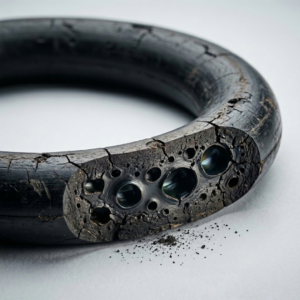
1) Internal Blistering: “Bubble” formations within the polymer.

Internal Blistering

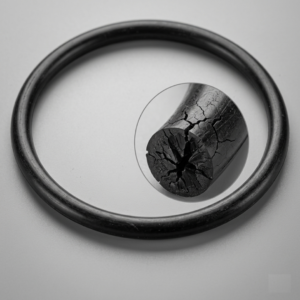
2) Fissuring: Deep internal cracks that are often invisible to the naked eye.

Fissuring

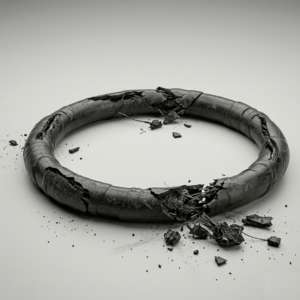
3) Catastrophic Fragmentation: The seal literally “explodes” upon decompression, resulting in immediate loss of containment.

Catastrophic Fragmentation

Critical Reasons to Prioritize RGD Resistance in Your Operations

1. Preventing “Invisible” Failure Modes

Unlike standard mechanical wear, RGD damage is primarily internal. A seal may appear functional on the outside while its core is riddled with micro-fissures. As a leading RGD resistant seals manufacturer, ISMAT engineer’s materials with high modulus and specific hardness (typically 90 Shore A) to physically counteract internal gas expansion.

2. Maintaining Integrity Under Extreme Pressure (20,000+ psi)

Oil & Gas operations routinely subject seals to pressures that would compromise standard industrial components. ISMAT’s Rapid Gas Decompression resistant seals are specifically formulated to maintain their elastic memory and sealing force even after rigorous pressure cycling in downhole environments.

3. Protecting Personnel and the Environment

A failed seal in a wellhead, Christmas tree or subsea manifold can lead to uncontrolled hydrocarbon leaks or the release of toxic H₂S gas. Utilizing AED seals is a fundamental safety protocol to protect your workforce and prevent environmental disasters that invite heavy regulatory penalties.

4. The Economic Reality: Eliminating Unscheduled Downtime

In offshore environments, the unit cost of a seal is negligible, but the cost of replacing it is huge. Unplanned shutdowns can cost operators millions of dollars per day in lost production. High-performance Oil & Gas seals with RGD certification provide the durability required to reach scheduled maintenance windows without incident.

5. Absolute Compliance with Global Industry Standards

To operate in international waters, equipment must meet stringent qualification standards. ISMAT’s Anti-Explosive Decompression seals for oil and gas are rigorously tested and certified to:

  • NORSOK M-710: The industry gold standard for non-metallic sealing.
  • ISO 23936-2: Global requirements for oil and gas production media.
  • NACE TM0297: Specific testing for CO₂ decompression at high temperatures.


ISMAT’s Advanced RGD/AED Materials

ISMAT engineers a full range of RGD resistant seals for Oil & Gas using proprietary VERTEX compounds, tested to exceed industry standards:

Trade NameMaterial FeaturesCertifications
VERTEX H 17HNBR (Hydrogenated Nitrile Butadiene Rubber) - Good for high-pressure gas applications with moderate chemical resistance and excellent low-temperature performance. - NORSOK M 710 (RGD)

- NACE TM 0192 (CARBONDIOXIDE DE COMPRESSION ENVIRONMENTS)
Vertex FC 10FKM (Fluoroelastomer)- Good resistance to high temperatures and chemicals, widely used in oil & gas, with excellent low-temperature performance. - NORSOK M710 (RGD)

- API 6A (10% H₂S @ 200°C)

- NACE TM0187 (SOUR FLUID IMMERSION 20% H₂S)

- NACE TM0192 (CARBONDIOXIDE DECOMPRESSION ENVIRONMENTS)
Vertex FC 11FKM (Fluoroelastomer) -Good resistance to high temperatures and chemicals, widely used in oil and gas. - NORSOK M710 (RGD)

- API 6A (10% H₂S @ 200°C)

- NACE TM0187 (SOUR FLUID IMMERSION 20% H₂S)

- NACE TM0192 (CARBONDIOXIDE DECOMPRESSION ENVIRONMENTS)
Vertex FC 15FKM (Fluoroelastomer)-Good resistance to high temperatures and chemicals, widely used in oil & gas, with ultra-low temperature properties. - NORSOK M710 (RGD)

- API 6A (10% H₂S @ 200°C)

- NACE TM0187 (SOUR FLUID IMMERSION 20% H₂S)

- NACE TM0192 (CARBONDIOXIDE DECOMPRESSION ENVIRONMENTS)
Vertex FC 18FKM (Fluoroelastomer) - Good resistance to high temperatures and chemicals, widely used in oil & gas. - NORSOK M710 (RGD)

- NACE TM0187 (SOUR FLUID IMMERSION 20% H₂S)

- NACE TM0192 (CARBONDIOXIDE DECOMPRESSION ENVIRONMENTS)
Vertex F01 EDFFKM (perfluoroelastomer)-Unrivalled chemical resistance and high-temperature stability, ideal for extreme conditions.
Vertex F07 LTFFKM (perfluoroelastomer)-Unrivalled chemical resistance and high-temperature stability, ideal for extreme conditions, with excellent low-temperature properties down to -40°C.
Vertex A 01Aflas® (TFE/P Elastomer) -Excellent for aggressive chemical environments, including sour gas and amines.
Secure Your High-Pressure Assets with ISMAT Expertise

As exploration moves into deeper reservoirs and higher pressures, the quality of Anti-Explosive Decompression seals becomes the dividing line between a high-performing asset and a significant liability. With over 40+ years of expertise as a leading RGD resistant seals manufacturer, ISMAT specializes in precisely matching high-performance materials to your specific pressure, temperature and chemical media profiles.

Contact ISMAT to deploy our field-proven VERTEX Rapid Gas Decompression resistant seals and secure your high-pressure assets against failure today.


Why Oilfield Operators Trust ISMAT for High-Performance Hammer Union Seals

In the competitive oil and gas industry, hammer union seals deliver critical leak prevention for high-pressure fluid transfer systems. Oilfield operators partner with ISMAT, a premier hammer union seals supplier, for precision engineered solutions that maintain operational integrity under extreme pressures, corrosive media and rigorous field conditions in drilling, fracturing and well servicing operations.

The Essential Function of Hammer Union Seals in Oilfield Products

Hammer union seals provide reliable static sealings for hammer union connections, facilitating rapid assembly of pipes and manifolds to handle drilling mud, crude oil and fracturing fluids without risk of leaks or blowouts. The lip-type design achieves secure sealing at low torque while protecting metal-to-metal interfaces from abrasion, corrosion and particulate ingress. This proven configuration supports repeated make-up and break-out cycles, essential for streamlined oilfield workflows.

Applications of Hammer Union Seals

Hammer union seals demonstrate proven performance across key oilfield applications where reliability is paramount:

  • Wellhead Equipment: Delivering consistent pressure containment in wellhead assemblies.
  • Onshore & Offshore Drilling: Maintaining system integrity during demanding drilling operations.
  • Blowout Preventers (BOPs): Providing essential well pressure control to prevent blowouts.

These applications underscore the strategic importance of quality hammer union seals in oilfield products.

Application Oriented Solution Provider: Precision for Critical Applications

ISMAT sets itself apart among hammer union seals manufacturers through application-specific engineering expertise. We recognize the application criticality of each connection, delivering tailored solutions optimized for operational demands. Our seals perform exceptionally in:

  • Hydraulic fracturing lines rated 15,000 psi against pulsations and proppant slurries.
  • Cementing and acidizing operations (Fig 1002) with proven corrosion resistance.
  • Wellhead and choke manifolds for reliable pressure containment.
  • Drilling mud systems effective down to -50°C.
Types of Hammer Union Seals

ISMAT offers a comprehensive range of hammer union seals engineered for diverse performance requirements:

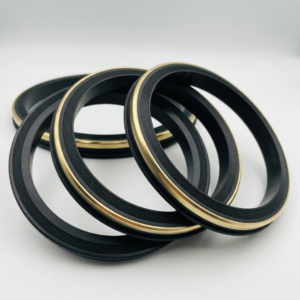
  • Brass Reinforced Hammer Union Seal: Superior durability and extreme pressure resistance.

    Brass Reinforced Hammer Union

  • Stainless Steel Reinforced Hammer Union Seal: Enhanced strength and corrosion resistance for harsh environments.

    Stainless Steel Reinforced Hammer Union Seal

  • Rubber Hammer Union Seal: Flexible, high-compression sealing for dynamic applications.

    Rubber Hammer Union Seal

  • AFLAS Hammer Union Seals: Exceptional resistance to amines, steam and sour gas environments where standard FKM materials fail.

    AFLAS Hammer Union Seals

Materials Used in Hammer Union Seals

Selecting the optimal material for hammer union seals is essential for achieving long-term durability and reliable performance in demanding oilfield environments. ISMAT applies its in-house compound design expertise to deliver these field-proven material solutions:

Vertex H – HNBR (Hydrogenated Nitrile Butadiene Rubber): Provides excellent chemical resistance combined with high-temperature stability, making it ideal for the most challenging service conditions.

Vertex FC – FKM (Fluorocarbon Rubber): Delivers exceptional thermal performance in extreme temperatures while offering superior protection against aggressive fluids and chemicals.

Cerulean N – NBR (Nitrile Butadiene Rubber): Offers a cost-effective solution with reliable oil resistance for general service requirements.

Vertex A – Tetrafluoroethylene propylene (FEPM or TFE/P or AFLAS®) Seals: Delivers exceptional resistance to amines, steam, acids, bases and hot water in extreme chemical environments where standard fluoroelastomers fail, making it the premium choice for oil & gas, automotive and chemical processing applications.

These advanced compounds meet stringent industry certifications including AED (Anti-Explosive Decompression), NORSOK, NACE and API standards, ensuring compliance and performance you can trust.

Standard Sizing and Customization Capabilities

ISMAT provides hammer union seals in precise standard dimensions for 2″, 3″ and 4″ unions, ensuring seamless integration and immediate deployment. Custom formulations and sizing options accommodate specialized operational requirements.

Why Choose ISMAT’s Hammer Union Seals

Oilfield professionals consistently specify ISMAT hammer union seals because we combine proven technical excellence with unmatched operational advantages that deliver measurable business value:

  • Proven Track Record and Over 40 Years of Experience: ISMAT has successfully supplied hammer union seals to major global energy operators across the Middle East, India and beyond, accumulating extensive field data that demonstrates superior long-term performance in the most demanding frac, drilling and well intervention applications.
  • Deep Understanding of Application Criticality: We recognize that every manifold connection carries mission critical importance, engineering seals specifically for your operational environment, fluid chemistry, pressure profiles and service severity to eliminate field failures.
  • Compound Validation Excellence: Our in-house developed materials go through thorough testing to meet top industry standards like AED, NORSOK M-710, NACE and API 6A before we manufacture the seals.
  • Unrivaled Flexibility and Rapid Delivery: Our dedicated own tool rooms and extensive mold library enable immediate production of standard 2″, 3″ and 4″ sizes, while supporting rapid prototyping for custom geometries and compound formulations tailored to your specific fluid chemistry and pressure requirements.
  • Significantly Reduced Development Lead Times: ISMAT delivers custom solutions much faster than typical industry timelines without any compromise to cost efficiency, material quality or dimensional precision (±0.005″ molding tolerances).

As your strategic sealing partner, ISMAT eliminates supply chain vulnerabilities while maximizing your operational uptime through in-house compound design, vertical manufacturing integration and application-specific engineering that understands the application criticality of every manifold connection.

For assured zero-leak performance that protects your assets and personnel, contact ISMAT today. Our engineers will collaborate to identify and qualify the optimal hammer union seals for your specific frac spread, wellhead configuration or flowline requirements.


Why are backup rings used with O-rings in high-pressure applications?

In the demanding landscape of modern industrial engineering, the integrity of a sealing system can determine the success or failure of an entire operation. High pressure environments, particularly those exceeding 1,500 PSI, place immense stress on standard sealing elements. While O-rings are highly effective for basic sealing, they often require the support of back up rings to maintain performance and prevent catastrophic failure in extreme conditions.

The Challenge of Seal Extrusion in High-Pressure Applications

The primary reason for incorporating Backup Rings for High-Pressure Applications is to combat seal extrusion. Extrusion occurs when pressurized fluid forces the soft material of an O-ring into the clearance gap between mating hardware surfaces. Under high loads, the elastomer deforms plastically and begins to “flow” into this gap, where it can be pinched, sheared or permanently damaged—a phenomenon often described as “nibbling”.

This process leads to a rapid loss of sealing capability and can cause total system failure if left unaddressed. Back up rings provide the critical mechanical support needed to prevent this failure mode, ensuring reliable operation even under the most severe pressure conditions.

What Are Backup Rings and Why Are They Essential?

A Backup ring seal is a rigid, annular component designed to be installed alongside a primary seal, such as an O-ring or X-ring. These components are not seals themselves but serve as structural supports that close off the extrusion gap. Back up rings are essential because they provide a sturdy barrier that keeps the primary seal in its intended position and shape, even when pressure spikes unexpectedly.

By reinforcing the sealing element, back up rings for O rings allow engineers to specify softer, more chemically compatible elastomers that might otherwise be too prone to extrusion. This flexibility in material selection is particularly valuable in applications where chemical resistance and temperature extremes are equally critical.

Features and Common Applications of Back Up Rings

Back Up Rings offer several critical features that enhance the durability of hydraulic and pneumatic systems:

  • Extrusion Resistance: They prevent the primary seal from deforming into clearance gaps, even at pressures exceeding 10,000 PSI.
  • Extended Seal Life: By reducing wear and preventing nibbling, back up rings prolong the service life of seals and significantly decrease maintenance intervals.
  • Enhanced Stability: They improve overall system reliability by maintaining seal integrity under fluctuating pressures and dynamic cycling.

These components are indispensable across various sectors, including mobile construction equipment hydraulics, oil and gas drilling valves, aerospace actuation systems and high-pressure injection molding machinery.

Specialized Backup Ring Materials

The effectiveness of a backup ring is largely dependent on its material composition, with PTFE backup rings and PEEK backup rings being the most widely specified:

PTFE Backup Rings: Made from polytetrafluoroethylene, these rings are prized for their ultra-low friction and exceptional chemical resistance. PTFE backup rings withstand nearly all industrial chemicals from hydrochloric acid to sodium hydroxide without degradation, excelling in dynamic applications and harsh environments where traditional plastic backup rings would fail.

PEEK Backup Rings: For extreme environments, PEEK (polyether ether ketone) provides superior mechanical strength and thermal stability up to 250°C. PEEK backup rings resist extrusion in unlubricated, high-heat applications while maintaining tight dimensional stability.

Types of Backup Rings

Depending on installation requirements, pressure levels and groove geometry, engineers can choose from three primary back up rings for O rings designs:

Solid PTFE Backup Rings:

Solid PTFE Backup Rings
These provide the most robust and continuous support, offering the highest level of anti-extrusion protection for pressures above 5,000 PSI. However, they can be challenging to install in closed glands as they may require stretching or specialized tooling.

Split (Scarf Cut) PTFE Backup Rings:

Split (Scarf Cut) PTFE Backup Rings

This is the most common PTFE backup ring design in modern hydraulic systems. The precision angled “scarf” cut allows the ring to be opened and fitted over a shaft or into a housing easily, making them ideal for maintenance and retrofitting operations.

Spiral PTFE Backup Rings:

Spiral PTFE Backup Rings

Constructed from a continuous coil of PTFE, these rings offer excellent flexibility and uniform pressure distribution across the seal interface. While easier to install than solid rings, spiral PTFE backup rings are less common today due to higher manufacturing costs relative to their extrusion resistance performance.

Industry-Specific Applications

Back up rings for valves: In the oil and gas and process industries, backup rings for high-pressure applications are vital for valve stems and seats where aggressive chemicals, extreme temperatures and cyclic loading can rapidly degrade standard seals.

Backup Rings for Hydraulic Applications: These are standard in heavy-duty hydraulic cylinders and pumps, where backup rings support primary seals on the low-pressure side of piston or rod assemblies to manage pressures that often exceed 3,000 PSI and frequent pressure reversals.

Secure Your High-Pressure Systems with ISMAT’s Precision Backup Rings

When sourcing critical back up rings for O rings, expertise and precision manufacturing are paramount. ISMAT brings specialized experience as a premier manufacturer of high-performance seals and engineering plastics. Our advanced manufacturing capabilities and dedicated in-house R&D enable us to create customized Backup Rings for High-Pressure Applications tailored to the most demanding industrial criteria.

Our expertise spans across FFKM elastomers, PTFE backup rings, PEEK backup rings and proprietary compounds for extreme temperatures— serving valve industries and oil & gas with precision-engineered sealing solutions.

Contact ISMAT today to optimize your sealing performance with our precision-engineered Backup ring seals.


How Spring-Energized PTFE Seals Replace O-Rings in Low-Temperature Oil & Gas Applications?

In high-pressure oil and gas operations, reliable sealing solutions are an operational requirement. From deepwater exploration to high-temperature processing facilities, equipment endures extreme pressures, temperature fluctuations, and corrosive chemicals. Sealing failures can cause devastating outcomes like equipment damage, environmental spills, costly production halts and potential loss of life— creating the need for advanced sealing technologies to uphold safety, efficiency and compliance across upstream and downstream activities.

In this blog, we explore how spring-energized PTFE seals replace O-rings in low-temperature oil and gas applications.

Limitations of Rubber O-rings in Low-Temperature Oil & Gas Applications

In oil and gas applications, when temperatures drop to extreme low, conventional O-rings turn brittle, experience reduced elasticity and crack under load. Permanent deformation risks escalate, opening leak paths through critical barriers. Standard elastomers like: EPDM, Silicone, CR & NBR are chemically incompatible with methane and FKM is particularly incompatible with LNG at -162°C – leading to swelling and O-ring failures.

At ISMAT, we recommend spring-energized PTFE seals for these conditions. These proven solutions maintain sealing integrity where traditional O-rings cannot deliver reliable performance in low-temperature environments.

An Introduction to Spring Energized Seals

Spring-energized seals is essential in the oil and gas sector, made of a PTFE jacket and integrated with a metal energizer to ensure reliable sealing under extreme conditions. These seals expand the performance limits of polymer seals, addressing the most demanding operational requirements with pressures up to 25,000 psi. The following outlines their key advantages.

1. Low-Temperature Resistance

Spring-energized seals deliver reliable sealing performance across extreme temperatures, from as low as -162°C in cryogenic LNG processes to over 250°C in high-temperature steam injection. The virgin or filled PTFE jacket— possesses a low coefficient of thermal expansion—resists embrittlement in subzero conditions and creep deformation at elevated temperatures, eliminating the glass-transition failures common in elastomeric alternatives and ensuring continuous uptime in thermal cycling operations.

2. High-Pressure Reliability

Precision-engineered for differential pressures from control valves to wellhead completions; these seals deliver unmatched stability across low and high-pressure applications. Proprietary filled PTFE formulations, including 15-40% glass carbon or bronze dispersions, enhance tensile modulus and extrusion resistance, sustaining zero-gap integrity in clearances as narrow as 0.005 inches even under dynamic cycling—critical for reducing unplanned shutdowns and extending mean time between failures (MTBF) in high-stakes environments.

3. Exceptional Chemical Resistance

These seals demonstrate superior inertness to the oilfield’s most aggressive media, including sour gas (H₂S >10% vol), acid gases, CO₂-supersaturated brines and methanol injection streams, validated through NACE TM0187-2011 and NACE TM0192-2012 certifications. The corrosion-resistant energizing spring preserves radial preload and seal geometry against chemical swelling or erosion, maintaining contact pressure and leak-tight performance over extended service intervals, thereby minimizing corrosion-related integrity risks and associated remediation costs.

4. Effective Fugitive Emission Management

In an era of stringent API 6A and ISO 9001:2015 regulatory frameworks, these seals deliver robust leak-tight containment in valves, actuators and rotary equipment. By compensating for wear, thermal mismatch and media-induced degradation, they ensure operational compliance, prevent non-productive time from emission-related derates and strengthen ESG performance metrics for upstream and midstream operators.

Spring Types in Spring-Energized Seals for Oil & Gas Applications

Spring-energized seals leverage four proven spring configurations, each tailored to the rigorous demands of oil and gas operations including cryogenic LNG service, high-pressure wellhead completions, subsea actuators and sour gas environments. These designs ensure reliable sealing under thermal extremes, pressure differentials and media aggression.

1. Garter Springs

Garter springs utilize a coiled wire construction that resists axial extension, ensuring reliable radial sealing in shaft applications. In oil and gas, they are widely deployed in downhole pumps and rotary equipment to accommodate shaft runout prevalent in drilling operations. Their adaptable sizing supports broad seal dimensions and independent operation without an opposing surface makes them ideal for contaminated service conditions.

2. Cantilever (V) Springs

Cantilever or V – springs feature a formed metal strip in a V geometry, providing extensive deflection capability and concentrated loading at the seal’s leading edge. Oil and gas operators specify them for reciprocating subsea actuators, valve scrapers and applications with tolerance variations or gland misalignment, such as blowout preventers and wellhead gates. They effectively exclude abrasives like sand in hydraulic fracking and offshore systems.

3. Helical-Wound Springs

Helical-wound springs consist of metal strip coiled into a helix, generating high initial load within a compact profile. They are the preferred choice for static cryogenic LNG valves and vacuum-rated wellhead penetrations. Suitable for low-cycle dynamic service, these springs demand precise alignment to maximize effectiveness in temperature-controlled installations.

4. Canted-Coil Springs

Canted-coil springs employ round wire in a slanted coil pattern, maintaining stable load across varying engagement levels. In oil and gas, they are essential for gate valve stems, dynamic actuators and misaligned glands on offshore platforms or in sour gas pipelines. Their low-friction profile ensures durability in high-cycle operations, minimizing wear and supporting extended maintenance intervals.

How ISMAT’s PTFE Series Spring-Energized Seals Work

ISMAT’s PTFE spring-energized seals integrate a precision-engineered PTFE jacket with a corrosion-resistant metal spring energizer, providing reliable dynamic sealing in extreme oil & gas environments.

Installed in the seal gland, the energizer spring delivers continuous radial force to form a leak-proof contact line against mating surfaces. This mechanism compensates for jacket wear, thermal expansion, pressure variations and gland tolerances, ensuring consistent sealing performance over the service life.

Jacket sealing lips are machined from ISMAT’s proprietary Novum PTFE materials—virgin Novum P 01 (50 Shore A min, -250°C to +250°C), modified Novum M 03 (55±5 Shore A, -150°C to +260°C), 15% glass-filled Novum GF 01 (55-65 Shore A, -200°C to +260°C), 20% carbon-filled Novum CF 02 (60 Shore A min, -200°C to +250°C) and Novum GC 01 (10% glass + 15% carbon, 60 Shore A min, -200°C to +260°C)— all mentioned variants are API 6A certified for sour service (10% H₂S at 200°C).

PTFE Series products accommodate customizable energizer types including V-spring, C-spring and helical coil, tailored for low-friction dynamic, Low-Temperature or high-load applications in valves, pumps, compressors and downhole equipment.

Upgrade to ISMAT Spring-Energized Seals for Oil & Gas

ISMAT’s Novum seires PTFE materials – all API 6A certified for sour gas (10% H₂S at 200°C) provide tensile strengths of 10-25 MPa, elongations from 80-300% and minimal deformation under load, ensuring superior sealing reliability. These spring-energized seals eliminate O-ring failures in cryogenic LNG systems, high-pressure wellheads and corrosive sour gas environments.

Contact ISMAT today to deploy proven technology that delivers leak-free performance, regulatory compliance and maximum operational uptime.


How FFKM O-Rings Prevent Seal Failures in H2S Sour Gas Environments

Imagine a critical incident on an offshore platform: alarms sound as hydrogen sulfide (H₂S) gas leaks from a vital valve, halting production and mobilizing safety teams, with escalating financial consequences.

Sour Gas Imperils Conventional Seals

Sour gas, containing H₂S, aggressively degrades standard rubber O-rings by penetrating and softening the material over time, leading to unexpected failures during routine pressure changes. Perfluoroelastomer (FFKM) O-rings prevent this degradation entirely, ensuring operational continuity and personnel safety.

Mechanism of Seal Degradation

Standard fluoroelastomer (FKM) seals absorb H₂S similar to a sponge absorbing water, resulting in swelling, deformation and cracking under operational pressures. This initiates a repetitive failure cycle of leaks, replacements and downtime. FFKM O-rings, with their fully fluorinated structure, repel sour gas molecules, maintaining integrity.

Superior Chemistry of FFKM

FFKM O-rings feature fully fluorinated molecular chains that prohibit H₂S penetration, preserving seal performance in valves, pumps and wellheads. This chemical resilience ensures uninterrupted production in sour gas environments.

ISMAT’s Field-Driven Expertise

Analysis of numerous seal failures in global oilfields consistently identifies standard seals’ inadequacy against sour gas, underscoring FFKM as the definitive solution. At our Chennai facility, ISMAT manufactures VERTEX F09 M FFKM O-rings tailored to real-world sour gas conditions, earning trust through proven field reliability.

Indicators of Seal Vulnerability

Monitor for valve stem leaks post-operation, cracking during pressure cycles, excessive maintenance on seals and H₂S flags in safety audits-these signal the need for FFKM upgrades to mitigate risks and costs.

VERTEX F09 M: Engineered for Sour Gas

VERTEX F09 M FFKM O-rings withstand H₂S alongside steam, acids and hydrocarbons in valves, pumps and wellhead connections. Produced to rigorous oilfield standards at our Chennai plant, they deliver immediate, verified performance upon installation.

Streamlined Implementation Process

Submit your operating conditions—H₂S concentration, temperature and pressure—for expert compound recommendations. Rapid sample delivery enables field validation, yielding leak elimination, reduced maintenance and stabilized production.

Achieving Operational Predictability

FFKM seals enable scheduled maintenance over emergency interventions, enhance safety metrics, meet production goals and stabilize budgets by averting shutdowns. ISMAT’s perfluoroelastomer solutions convert sour gas challenges into manageable operations.

Secure Your Sour Gas Solution

For dependable sealing in H₂S environments, VERTEX F09 M FFKM O-rings outperform conventional options, sustaining production, safety and fiscal stability. Contact ISMAT today for custom quotes, samples or technical consultation.

How ISMAT’s Seals Extend the Life of Earth-Moving Equipment: What OEMs Need to Know

How ISMAT’s Seals Extend the Life of: What OEMs Need to Know

Earth-moving equipment operates in some of the harshest environments imaginable—dust-laden construction sites, scorching heat, freezing cold, and relentless shock and vibration. For original equipment manufacturers (OEMs) in the earth-moving sector, the performance and longevity of their machines hinge on the quality of critical components like earth moving seals. Poor seal performance can lead to hydraulic leaks, equipment downtime, and costly warranty claims, directly impacting mean time between failures (MTBF).

At ISMAT, based in Chennai, India, we specialize in delivering high-performance rubber components and PTFE seals that are engineered to withstand these extreme conditions. Whether you’re looking for excavator seal kits, hydraulic seals for earth moving equipment, or custom rubber seals for construction equipment, our solutions are designed to enhance equipment durability, reduce maintenance costs, and improve MTBF—making ISMAT the trusted partner for OEMs in India and the Middle East.

The Harsh Reality of Earth-Moving Equipment Environments

Earth-moving equipment, such as excavators, bulldozers, and loaders, faces punishing conditions that test the limits of every component, especially seals:

  • Dust and Debris: Fine dust, sand, and abrasive particles infiltrate hydraulic systems and moving parts, causing wear and compromising seal integrity. ISMAT offers dust-proof seals for construction machines that block these contaminants.
  • Extreme Heat and Cold: Operating temperatures can range from -40°C in cold climates to over 100°C in desert environments or near engine compartments, requiring seals to maintain flexibility and strength.
  • Shock and Vibration: Heavy machinery endures constant mechanical stress, shocks, and vibrations, which can cause seals to fatigue or fail if not designed for dynamic applications.
  • Chemical Exposure: Hydraulic fluids, lubricants, and environmental contaminants like water or chemicals can degrade seals that lack proper material resistance.
  • High Pressure: Hydraulic systems in earthmoving machinery often operate at pressures exceeding 5,000 psi, demanding high-pressure seals that resist extrusion and maintain a tight seal.

These conditions make seal performance critical to equipment reliability. A single seal failure can lead to leaks, contamination, or system breakdowns, resulting in costly repairs and downtime. ISMAT’s wear-resistant seals and innovative designs address these challenges head-on, ensuring your equipment stays operational longer.


How ISMAT’s Seals and Components Extend Equipment Life

ISMAT’s seals and rubber components are engineered to meet the rigorous demands of earth-moving machinery, delivering durability, reliability, and performance. Here’s how we help OEMs improve MTBF and reduce warranty claims:

1. High-Performance Materials for Extreme Conditions

ISMAT leverages deep material science expertise to select and develop materials tailored for the toughest applications. Our seals and components are crafted from advanced materials like PTFE, FKM (Viton®), NBR blends, and other specialized elastomers, each chosen for specific environmental and mechanical needs:

  • PTFE Blends: Ideal for dynamic seals, bushings, and wear rings, polyurethane vs PTFE seals for excavators is a common comparison — PTFE offers superior chemical resistance and low friction.
  • FKM (Viton®): Perfect for hydraulic seals in hot or chemically aggressive environments.
  • NBR Blends: Cost-effective for hydraulic cylinder seals in earthmoving equipment, balancing oil resistance and flexibility.
  • EPDM: For external seals like weather boots that face UV, water, and ozone.
  • NR and CR: Excellent for vibration-absorbing components like mud flaps and grommets, used widely in construction equipment.
  • Reinforced NR & Masticated Rubber: Designed for abrasive and impact-prone zones, such as mining and off-road construction.

By matching materials to specific application requirements, ISMAT ensures seals and components withstand extreme conditions, extending equipment life and reducing replacement frequency.

2. Comprehensive Range of Seals for Earth-Moving Equipment

ISMAT offers a wide portfolio of sealing solutions for OEMs under one roof:

  • Hydraulic Seals: Rod seals, piston seals, buffer seals, wiper seals, and guide rings—ideal hydraulic seals for earth moving equipment operating under pressure.
  • Static Seals: O-rings, gaskets, and bonded seals for fixed joints.
  • Rotary Seals: Oil seals, cassette seals, PTFE lip seals for rotating shafts in bulldozers, loaders, and excavators.
  • Specialty Components: Bellows, diaphragms, and custom sealing solutions for unique OEM designs.
  • Backup Rings: Anti-extrusion rings made from PEEK and PTFE enhance performance in high-pressure environments.

OEMs benefit from this single-window solution for OEM seal replacements for earth moving machinery, improving procurement and product integration.

3. Innovations That Reduce Warranty Claims

ISMAT’s continuous R&D focus brings cutting-edge innovations:

  • Spring-Energized PTFE Seals: Deliver tight, durable sealing in high-pressure, dynamic settings.
  • Composite Seals (Rubber + PTFE): Combine chemical resistance and flexibility, improving longevity.
  • Fabric-Reinforced Rubber: Perfect for abrasive terrain, especially in backhoes, bulldozers, and other heavy-duty construction equipment.

These innovations directly result in durable seals for heavy-duty construction applications, leading to fewer field failures and reduced warranty claims.

4. Fast Turnaround and Scalable Production

Need quick replacements or production-scale volumes? ISMAT’s supply chain supports fast delivery of standard and custom rubber seals for construction equipment. Whether you’re exploring where to buy OEM earth moving seal kits in India or fulfilling large batch needs for global OEMs, our agile systems keep your production schedules on track.


5. Rigorous Quality Assurance

ISMAT’s products go through extensive validation—from chemical and fatigue testing to dimensional accuracy and compression resilience. Every replacement seal for backhoe and bulldozer hydraulic cylinders meets international performance benchmarks, ensuring reliability from the workshop to the worksite.

Partner with ISMAT for Durable, High-Performance Earth Moving Seals

For OEMs in the earth-moving equipment sector, ISMAT is more than a supplier—it’s a long-term partner. Our products are engineered to withstand the harshest terrain, reduce downtime, and improve MTBF across applications.

From oil and dust resistant seals for earth moving vehicles to compatible sealing solutions for JCB and CAT equipment, we help OEMs build machines that last longer and perform better—even in the most unforgiving conditions.

Need help choosing the right seal for excavator hydraulic systems? Contact us today and let our engineers guide you to the best seals for earth moving hydraulic cylinders and beyond.

Why ISMAT is Your Trusted Partner for Seals in the Oil and Gas Industry

Why ISMAT is Your Trusted Partner for Seals in the Oil and Gas Industry

In the demanding world of oil and gas production, transportation, and storage, every component must perform flawlessly under extreme conditions. Valves and oilfield equipment operate in environments characterized by high and low temperatures (ranging from -40°C to over 200°C), extreme pressure changes (up to 15,000 psi or more in deep-sea or high-pressure wells), aggressive media (including corrosive chemicals like hydrogen sulfide, carbon dioxide, and saline water), and dynamic applications (such as rapid cycling, vibration, and mechanical stress). These harsh conditions test the limits of equipment, making the role of high-quality sealing solutions for oil and gas critical to ensuring operational safety, reliability, and efficiency.

At ISMAT, based in Chennai, India, we specialize in manufacturing rubber and engineering plastic seals that meet the stringent requirements of the oil and gas industry. Recognized among the best oil seal manufacturers in India, our seals are engineered to withstand these challenging environments while preventing leakage and maintaining the integrity of valves and oilfield equipment. Certified under NORSOK, NACE, and API standards, ISMAT delivers precision-engineered solutions trusted by valve seal manufacturers, drilling equipment OEMs, and oil seals suppliers across India and the Middle East.

Understanding the Harsh Conditions of the Oil and Gas Industry

The oil and gas industry presents some of the most challenging environments for equipment and components. Here’s a closer look at the conditions your oil seals must endure:

  • Extreme Temperatures: Equipment in upstream exploration (e.g., offshore drilling) or downstream refining faces sub-zero temperatures in Arctic regions to scorching desert heat. High-temperature oil seals must maintain elasticity and strength across this wide range.
  • High and Low Pressures: From deep-sea wells to vacuum conditions in storage tanks, high-pressure oil seals for valves and pipelines must resist deformation and maintain sealing integrity.
  • Aggressive Media: Corrosive substances like hydrogen sulfide (H₂S), carbon dioxide (CO₂), and abrasive particles in drilling fluids demand chemical-resistant seals such as PTFE oil seals and FFKM oil seals for sour gas environments.
  • Dynamic Applications: Valves in pipelines or actuators in rigs endure constant movement and vibration. This requires durable mechanical seal manufacturers to provide products built to last.
  • Environmental Extremes: Offshore platforms face saltwater corrosion, while desert-based equipment must resist sand abrasion and UV damage. Our industrial seal manufacturing capabilities ensure performance in all such extremes.

At ISMAT, we design seals to thrive under these conditions, supporting your mission-critical operations with maximum safety and reliability.

Why Choose ISMAT for Your Seal Requirements?

When selecting oil seal manufacturers, you need a partner who combines technical expertise, quality assurance, and fast delivery. Here’s why ISMAT is the go-to choice for custom oil seals and engineered sealing solutions:

1. Unmatched Technical Expertise

Our engineers bring decades of experience across the oil and gas ecosystem. We collaborate with clients to develop seals tailored to extreme requirements—be it OEM oil seal suppliers for drilling equipment or custom rubber oil seals for chemical resistance. From hydraulic seal manufacturers to valve-specific sealing, we offer highly engineered, reliable solutions.

2. Competitive Pricing Without Compromising Quality

We understand that pricing is a key decision-making factor. At ISMAT, we streamline manufacturing to offer cost-effective options while never compromising on quality. Whether you’re sourcing rubber seal manufacturers or looking for certified oil seal manufacturers for the oil & gas industry, we deliver excellence at competitive rates.
📞 Call us on +91 63792 05041 to get a price for O-rings and oil seals today.

3. Fast Lead Times and Reliable Delivery

In a sector where every delay is costly, ISMAT stands out with fast turnaround and dependable logistics. Whether you need API standard oil seals for offshore rigs or urgent replacements for PTFE oil seals, we ensure on-time delivery.
📦 Contact us to know more about our lead times.

4. Consistent Product Quality

Quality isn’t an option—it’s a necessity. Our seals meet stringent API, NORSOK, and NACE standards, giving you peace of mind even in high-risk environments. With in-house testing and world-class manufacturing, we’re trusted by top oil seal exporters in the Middle East.
📄 Check out our certifications here.

5. Industry-Recognized Certifications

All ISMAT seals are backed by globally respected certifications. These include compliance with API, NORSOK, and NACE, making us the preferred choice for certified oil seal manufacturers for oil & gas industry applications.

6. Agility and Problem-Solving Capabilities

From adapting to unique materials to solving dynamic application challenges, ISMAT brings flexibility and engineering innovation. Whether you’re dealing with sour gas environments or need custom-engineered high-pressure seals, we’re ready to deliver.

7. Comprehensive Range of Seals Under One Roof

As full-spectrum industrial seal manufacturers, ISMAT offers everything from O-rings, gaskets, and lip seals to PEEK and PTFE oil seals—all under one roof. Our wide product range means fewer vendors and faster project execution for you.

8. Commitment to Innovation

We continuously invest in R&D to develop next-gen sealing solutions. Whether it’s high-temperature oil seals or specialty grades for harsh media, our innovations give you a performance edge. Looking for where to buy custom rubber oil seals? ISMAT delivers what others can’t.

Partner with ISMAT for Reliable Sealing Solutions

In the oil and gas sector, where safety and uptime are everything, choosing the right oil seal manufacturers can make or break operations. ISMAT combines world-class engineering, certified quality, and innovation to offer the most dependable sealing solutions for oil and gas environments. Whether you need valve seal manufacturers in India or top oil seal exporters in the Middle East, we’re the partner you can trust.

📞 Ready to elevate your equipment’s performance?

Contact ISMAT today to discuss your sealing needs and discover how our custom-engineered solutions can help you thrive in the most demanding conditions.

Continue reading “Why ISMAT is Your Trusted Partner for Seals in the Oil and Gas Industry”