
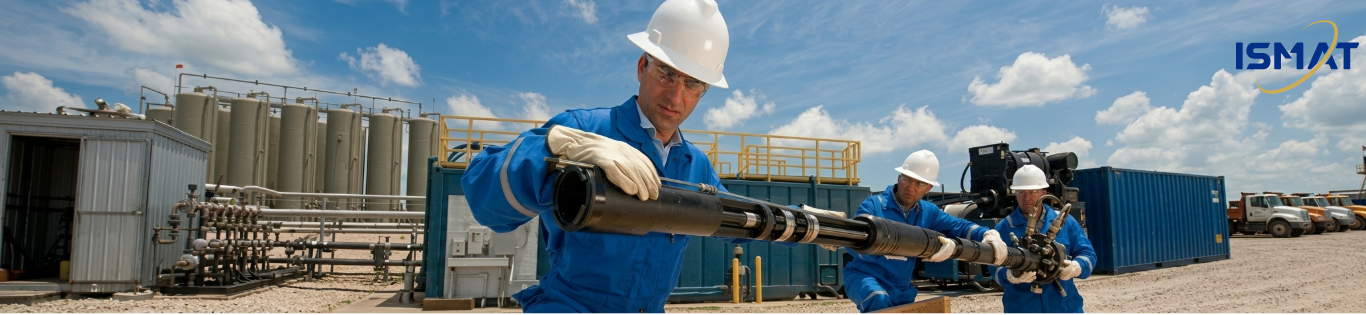
In the high-pressure environments of oil and gas wellbores, where extreme downhole conditions require uncompromising operational reliability, packers provide critical isolation during drilling, completion and production operations. The “packing element” the essential elastomeric seal—forms a durable hydraulic barrier capable of sustaining differential pressures beyond 5,000 PSI, effectively controlling annular fluid flow and eliminating inter-zonal communication. Engineered for sustained performance, this design upholds well integrity, mitigates leak potential and meets stringent API standards for sour gas and high-temperature service.
What Are Packing Elements?
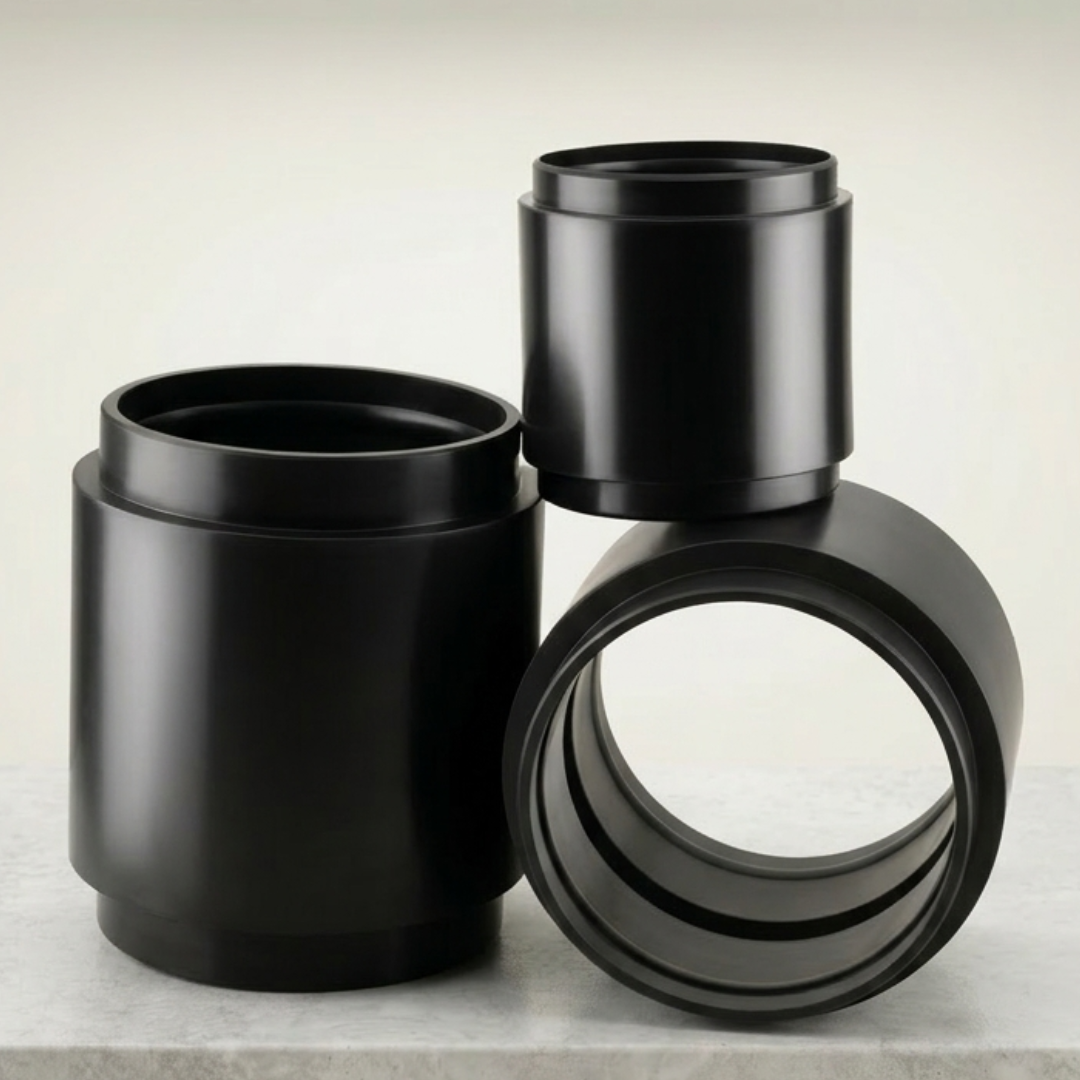
Packing elements are precision engineered from high-performance elastomers or advanced composites, designed to radially expand under axial compression and form a secure, conforming seal against casing or wellbore surfaces. This dynamic sealing action effectively isolates targeted wellbore zones, empowering operators to execute precise interventions including hydraulic stimulation, sustained hydrocarbon production and selective zonal isolation—while maintaining operational control and preventing unintended fluid crossover.
Why Choose Packing Elements?
Packing elements offer distinct competitive edges that maximize packer uptime and ROI in challenging well environments. Advanced anti-extrusion reinforcements and optimized set-release mechanics ensure repeatable performance in retrievable applications, while custom material formulations tackle niche issues like H2S corrosion or thermal expansion. These capabilities enable quicker setting times, reduced workover needs and superior zonal management delivering faster project timelines and lower lifecycle costs without compromising operational uptime.
Function of Packing Elements
Packing elements perform critical roles in oil and gas tools, enhancing safety, efficiency and reliability across surface and downhole applications.
- Sealing: The primary function establishes a reliable, leak-proof barrier that prevents fluid and gas migration, safeguarding well integrity, mitigating blowout risks and ensuring regulatory compliance to avoid environmental contamination.
- Pressure Containment: In high-pressure applications such as packers and blowout preventers, packing elements effectively contain reservoir pressures, protecting personnel safety and equipment integrity during critical operations.
- Isolation: Packing elements separate fluid zones within the wellbore, keeping different reservoirs or formations isolated—a critical capability for successful multi-zone completions.
- Compensation for Wear: In dynamic applications, packing elements adapt to operational wear, maintaining reliable sealing performance despite friction or movement-induced degradation.
- Thermal Expansion Management: Materials are engineered to absorb and accommodate thermal expansion during temperature fluctuations, particularly in deep-well applications with significant thermal variability.
- Chemical Resistance: Packing elements are engineered to withstand chemical attacks from harsh fluids encountered in exploration and production, including sour gas, acidizing solutions and brines.
Material of Packing Elements
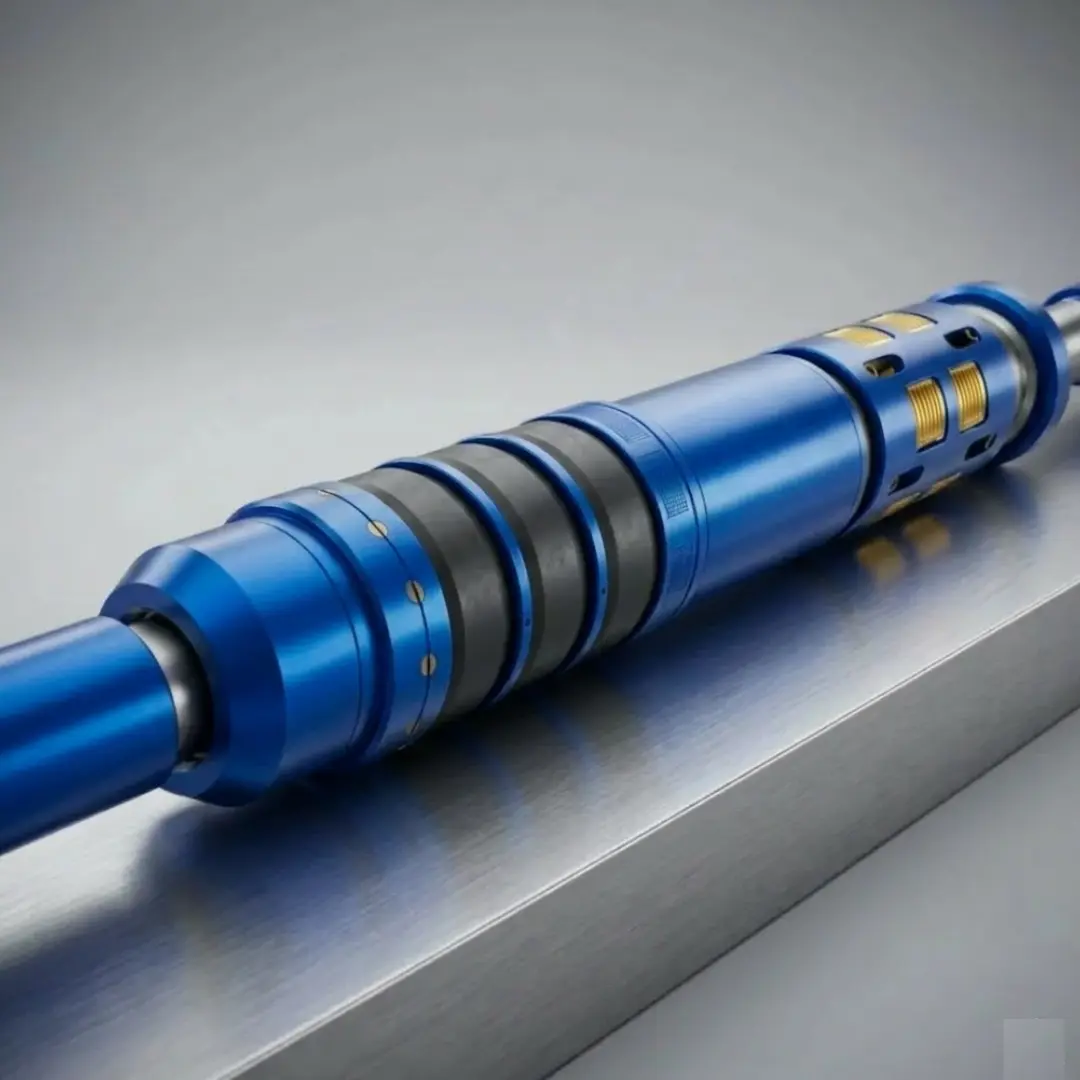
The material selection for packing elements is crucial for performance in demanding oil and gas environments. Materials are chosen based on their ability to withstand high pressures, temperatures, and chemical exposure. Common materials include:
Elastomers (Rubber Compounds)
| Trade Name | Material | Features |
|---|---|---|
| Cerulean N | Nitrile rubber (NBR) or Buna-N | A widely used material offering good resistance to oil, gas and water, it is typically employed in general-purpose applications. |
| Vertex H | HNBR | Highly durable elastomer known for excellent resistance to heat, oil, chemicals and mechanical wear; commonly used in oil and gas applications. |
| Vertex FC | Fluorocarbon (Viton) | Known for excellent high-temperature resistance and chemical compatibility; often used in aggressive chemical environments and high-temperature operations. |
| Vertex A | Aflas | Excellent for use in extreme temperatures and offering good chemical resistance, particularly in acidic environments. |
| Cerulean EP | EPDM | Primarily used for water-based applications, including those with high temperatures, it offers resistance to heat, water and steam. |
Advanced Polymers and Composites
| Trade Name | Material | Features |
|---|---|---|
| Novum P | PTFE (Polytetrafluoroethylene) | Ideal for high-temperature applications and aggressive chemicals, with excellent friction properties. |
Size Range of Packing Elements
The size range of packing elements varies by tool and application, from compact seals in pumps or valves to large elements for wellbore packers. Below is a general guide to dimensions for common uses:
Packer Elements:
- Diameter: Standard sizes range from 2 inches (50 mm) to 12 inches (300 mm); specialized designs accommodate up to 30 inches (762 mm) or larger.
- Length: Varies from 3 inches (76 mm) for compact packers to 5 feet or more for extended wellbore applications.
Need Reliable Packer Packing Elements for Extreme Downhole Conditions?
Contact us for immediate technical consultation, custom Vertex elastomer compounding and production-ready packing elements optimized for your high-pressure oil & gas BOPs, wellheads and completion tools.
Applications of Packing Elements in Oil & Gas
Packing elements are critical components in the oil and gas industry, ensuring seal integrity and pressure containment across various tools and equipment. Their primary function is to create a reliable barrier that prevents leaks of fluids such as oil, gas or water under extreme pressure and temperature conditions. Below are the common applications of packing elements:
Downhole Tools:
- Packers: Used to isolate wellbore sections and seal specific areas during drilling, completion or production operations. This prevents unwanted fluid migration between formations or zones.
- Blowout Preventers (BOPs): Packing elements seal the wellbore in BOPs during high-pressure operations, containing reservoir pressure to prevent uncontrolled escapes.
- Wellheads: Packing elements seal connections between well casing and surface equipment, preventing fluid leaks.
- Completion Tools: Used in subsurface safety valves, control valves and similar equipment requiring high-performance sealing solutions.
Production and Exploration:
- Sealing During Drilling and Completion: Packing elements seal the wellbore to prevent gas and fluid leaks, enabling safe exploration and production operations.
- Pressure and Flow Control: Packers isolate high-pressure reservoirs during testing, fracturing and injection, preventing unwanted fluid migration in wells.
Key Advantages of Packing Elements
1. Enhanced Sealing Integrity
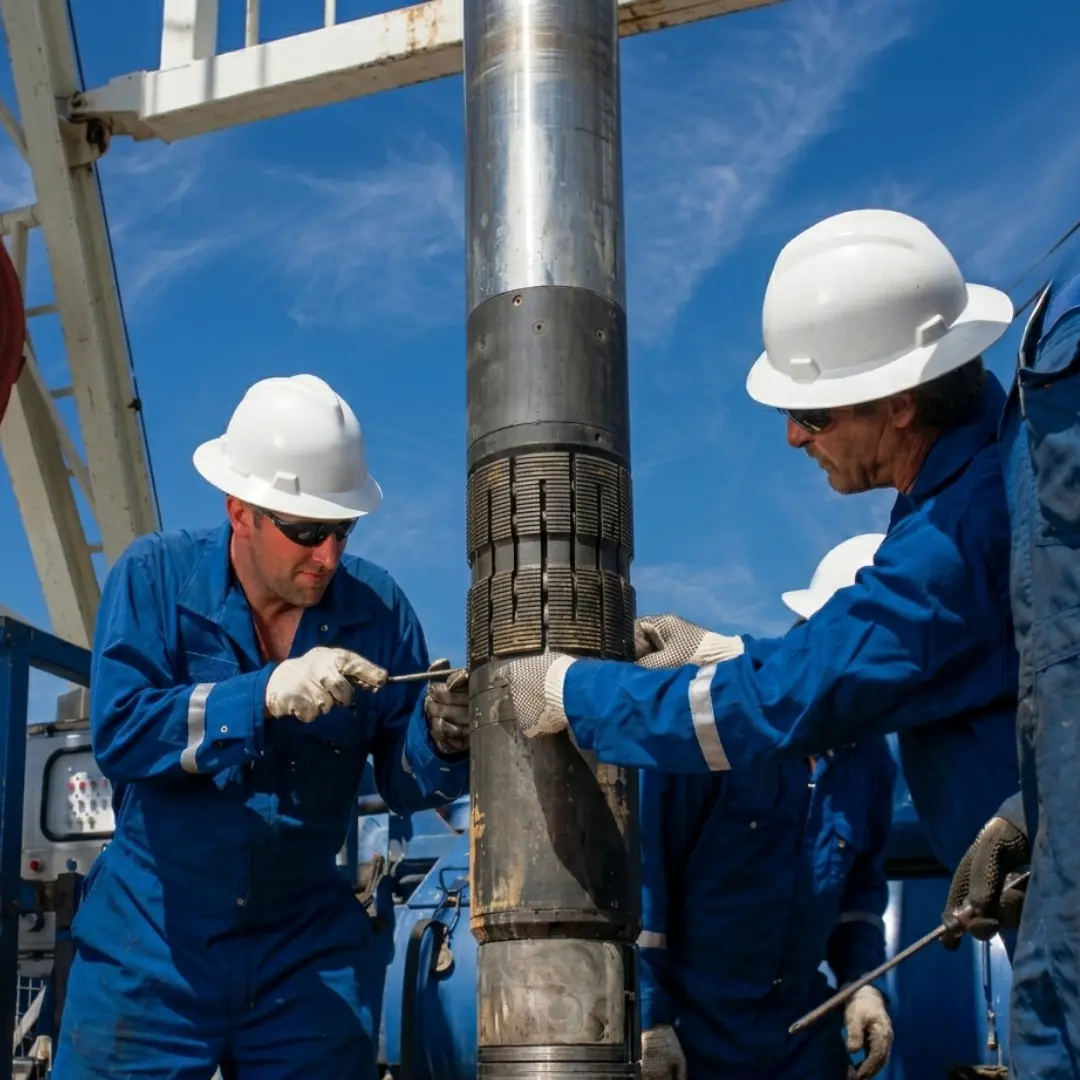
Packers rely on effective sealing under high-pressure, high-temperature (HPHT) conditions. Modern packing elements provide superior elasticity, resilience to downhole fluids and pressure activated expansion. These features create tight, durable seals that minimize leak paths, boosting packer reliability and longevity.
2. Reduced Wear and Tear
The right packing element limits mechanical wear by withstanding pressure cycles without deformation, resisting abrasion from debris and solids and minimizing extrusion in high-differential environments. This durability cuts replacement frequency and interventions, extending packer service life.
3. Improved Operational Efficiency
Strong sealing and durability enable faster packer deployment and setting, fewer failures or re-runs and higher zonal isolation success rates. These gains reduce non-productive time (NPT) and operational costs – key priorities for drilling and completion teams.
4. Customization for Well Conditions
Wells vary widely, so packing elements can be tailored to specific challenges like sour gas, high temperatures or extreme depths. Custom elastomer blends and manufacturing techniques ensure optimal performance and extended longevity.
5. Support for Retrievable Packers
Retrievable packers depend on packing elements that maintain sealing integrity during retraction and redeployment. Advanced designs show minimal degradation over multiple runs, delivering cost-effective and sustainable operations.
Why Choose ISMAT for Packing Elements
ISMAT offers in-house elastomer compounding (NBR, HNBR, FKM, AFLAS, EPDM) for precise media, temperature and pressure matching in packing elements. Precision manufacturing ensures zero-defect output with full traceability from prototype to production. Rapid prototyping and single-source supply cut timelines, inventory costs and downtime-maximizing well uptime and ROI for critical packer/BOP packing element applications.


Trusted by Industry Leaders




Get In Touch
Contact ISMAT for Packing Elements
ISMAT engineers' precision Packing Elements with advanced elastomer profiles for your most demanding downhole packer and BOP applications.
Request technical consultation, download elastomer specifications (NBR, HNBR, FKM, AFLAS, EPDM) or submit gland dimensions for custom design, rapid prototyping and production-scale manufacturing that guarantees maximum well uptime and minimal unplanned downtime.
FAQs
ISMAT offers in-house elastomer compounding with NBR, HNBR, FKM, AFLAS and EPDM for precise media compatibility, temperature and pressure matching in packing elements.
Precision manufacturing follows strict quality protocols like ISO 9001, ensuring zero-defect output, full traceability from prototype to production.
Single-source supply eliminates multi-vendor complexity, cuts inventory costs and minimizes downtime for maximum well uptime and ROI.
Rapid 2-week prototyping with custom gland geometries optimizes your timelines for packer and BOP applications.