A Comprehensive Guide to Packing Elements in the Oil & Gas Industry
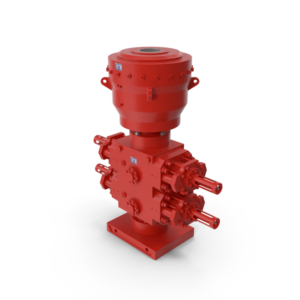
When it comes to ensuring the safety, efficiency, and reliability of oil and gas operations,packing element play a critical role. These sealing components are indispensable in preventing fluid leakage, maintaining pressure, and isolating zones within wellbores. Whether you’re dealing with packers, blowout preventers (BOPs), or wellheads, understanding the importance of packing elements is essential for optimizing oil and gas production.
In this blog, we’ll dive deep into the functions, types, applications, and materials of packing element, shedding light on why they are a cornerstone of the oil and gas industry.
What Are Packing Elements?
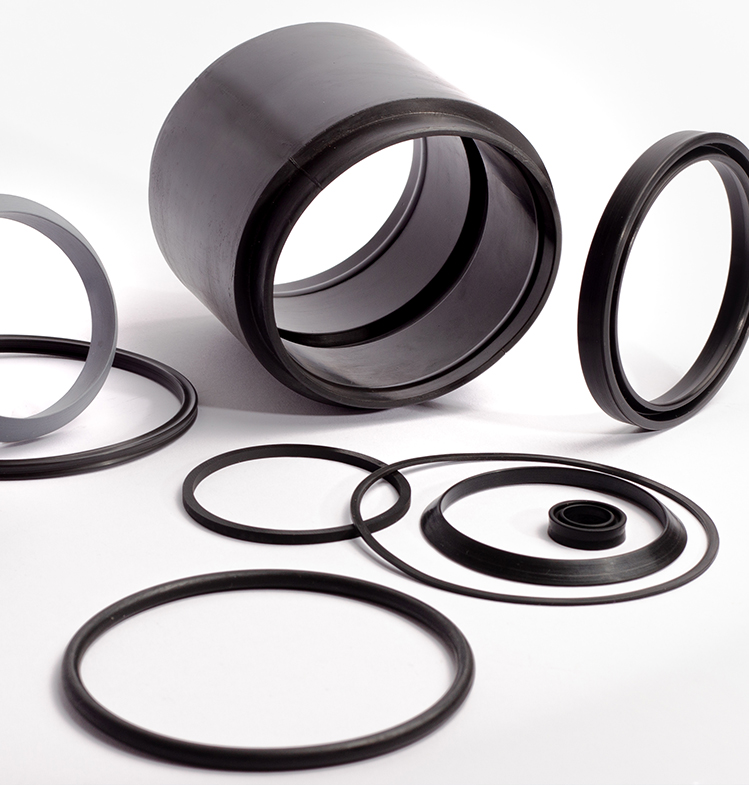
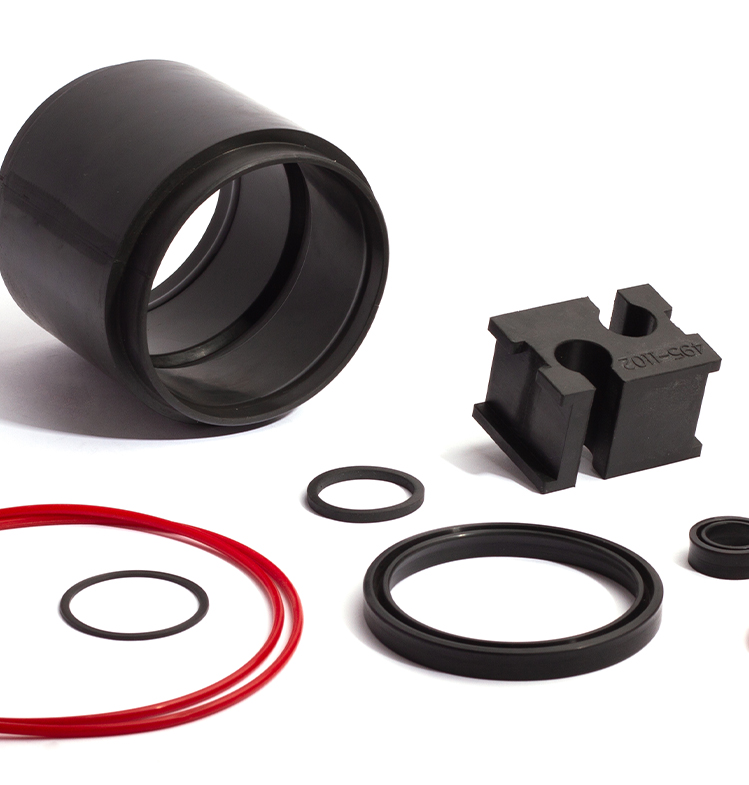
Packing elements are specialized sealing components used in oil and gas production tubing to prevent the leakage of fluids and gases. They are strategically placed between sections of tubing to protect the casing, production tubing, liner, and wellbore wall. By creating a reliable seal, packing element ensure the integrity of the well and prevent environmental contamination or equipment failure.
Key Functions of Packing Elements
- Sealing
The primary function of the packing element is to provide an effective seal that prevents the leakage of fluids and gases. This is crucial for maintaining well integrity and avoiding catastrophic events like blowouts.
- Pressure Containment
In high-pressure environments, such as those involving packers and blowout preventers, packing element ensure that pressure from the reservoir is safely contained. This protects both personnel and equipment.
- Isolation
Packing element isolate different fluid zones within the wellbore, ensuring that multiple reservoirs or formations remain separate. This is particularly important in multi-zone completions.
- Compensation for Wear
In dynamic applications, packing elements adjust to wear caused by friction or movement, ensuring a continuous seal and preventing leaks over time.
- Thermal Expansion Absorption
Packing elements are designed to absorb thermal expansion caused by temperature fluctuations, especially in deep-well applications where temperatures can vary significantly.
- Chemical Resistance
Many packing elements are engineered to resist chemical attacks from harsh fluids encountered during exploration and production, such as sour gas, acid fluids, & brines.


Operating Conditions for Packing Elements
Packing elements are designed to perform under specific operating conditions:
- Temperature: Up to 250° F
- Pressure: Up to 5000 PSI
- Medium: Oil
These conditions make packing elements suitable for a wide range of oil and gas applications.
Types of Packing Systems
There are several types of packing systems, each designed for specific applications and operating conditions:
- Single Element System with Expansion Ring
- Three-Piece Element System with Spacer Ring
- ECNER Element System
- Spring-Loaded Element System
- Fold Back Ring Element System
Choosing the right system depends on factors such as pressure, temperature, and the specific requirements of the operation.
Applications of Packing Elements
Packing elements are used in a variety of oil and gas equipment, including:
- Blowout Preventers (BOPs)
- Wellheads
- Completion Tools


Their versatility and reliability make them a go-to solution for sealing challenges in the industry.
Materials Used in Packing Elements
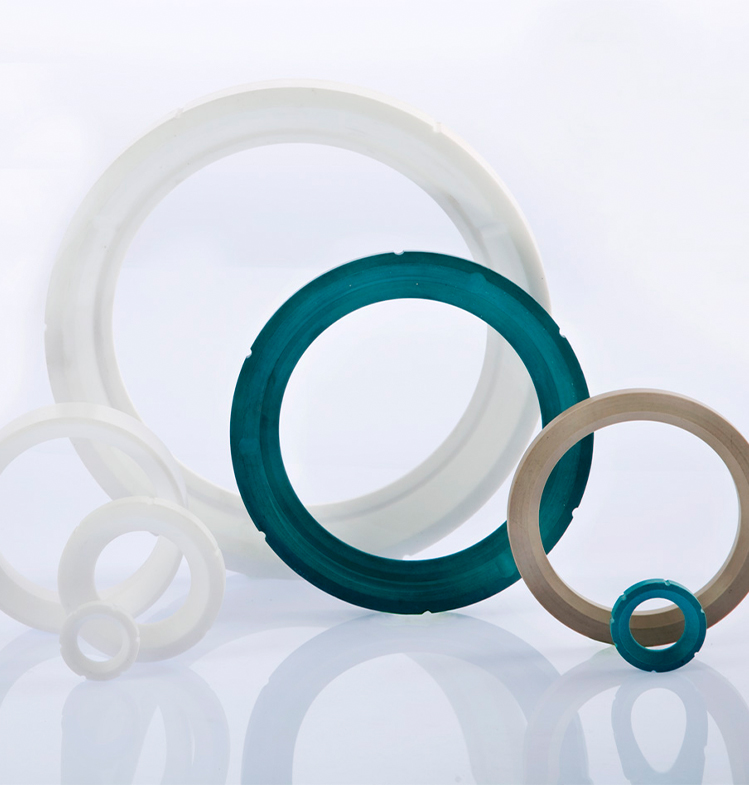
The performance of the packing element largely depends on the materials used. Some of the most common materials include:
- Vertex H 19 – HNBR: Known for its excellent resistance to oil and high temperatures.
- Vertex H 17 – HNBR Low Temperature: Ideal for applications requiring low-temperature flexibility.
- Vertex FC 04 – FKM: Offers superior chemical resistance, making it suitable for harsh environments.
- Vertex A 01 – AFLAS: Provides exceptional resistance to sour gas and high temperatures.

Selecting the right material ensures the longevity and effectiveness of packing elements in demanding conditions.
Why Packing Elements Are Essential for Oil & Gas Operations
Packing elements are more than just sealing components—they are vital for maintaining the safety, efficiency, and environmental compliance of oil and gas operations. By preventing leaks, containing pressure, and isolating zones, they help operators avoid costly downtime and potential hazards.
Are you looking for high-quality packing elements that meet the demands of your oil and gas operations? Explore our range of advanced sealing solutions designed to deliver unmatched performance and reliability. Contact us today to learn more about our products and how they can enhance your operations.
Don’t compromise on safety and efficiency—choose the right packing elements for your needs!
Continue reading “A Comprehensive Guide to Packing Elements in the Oil & Gas Industry”