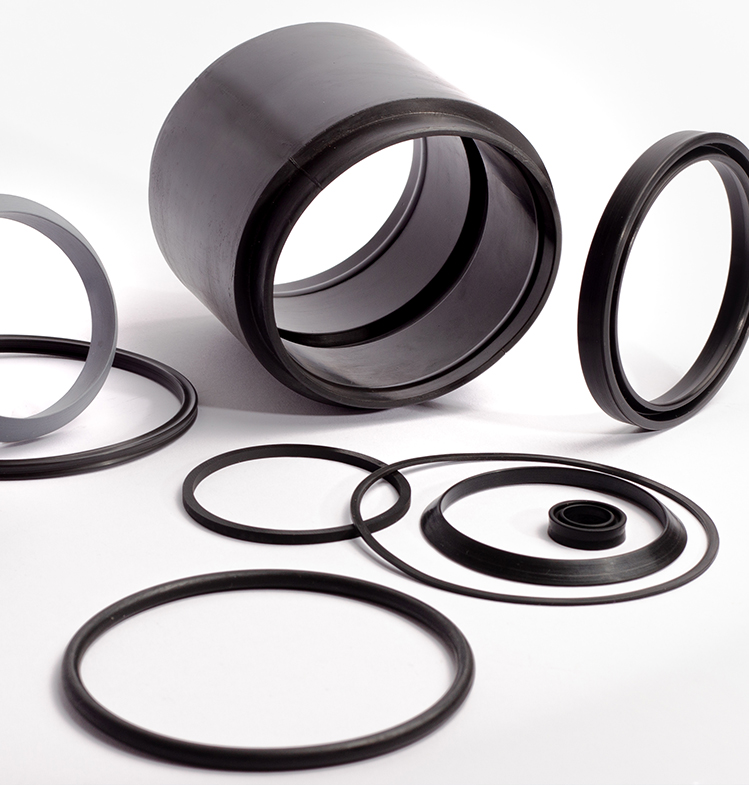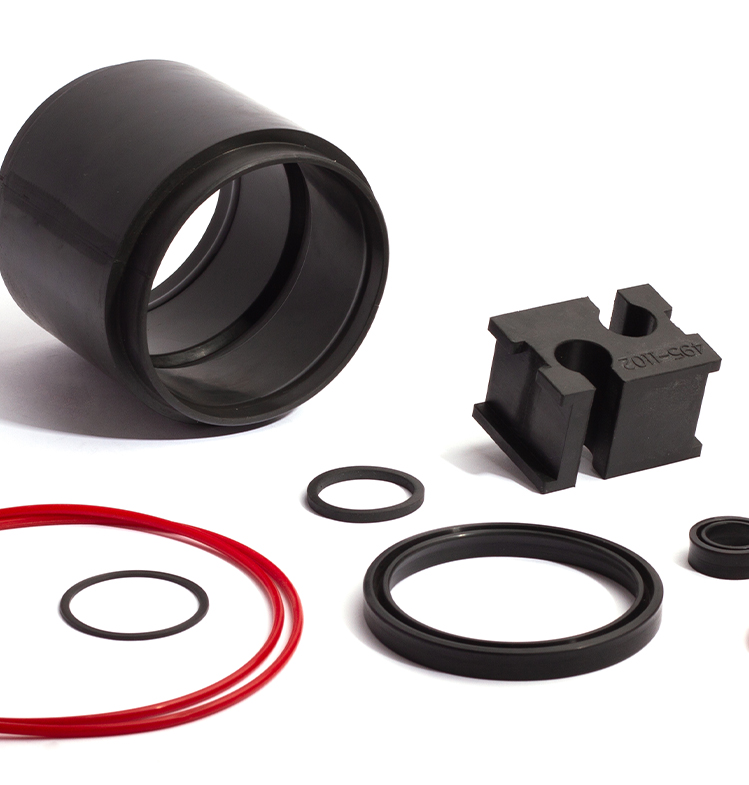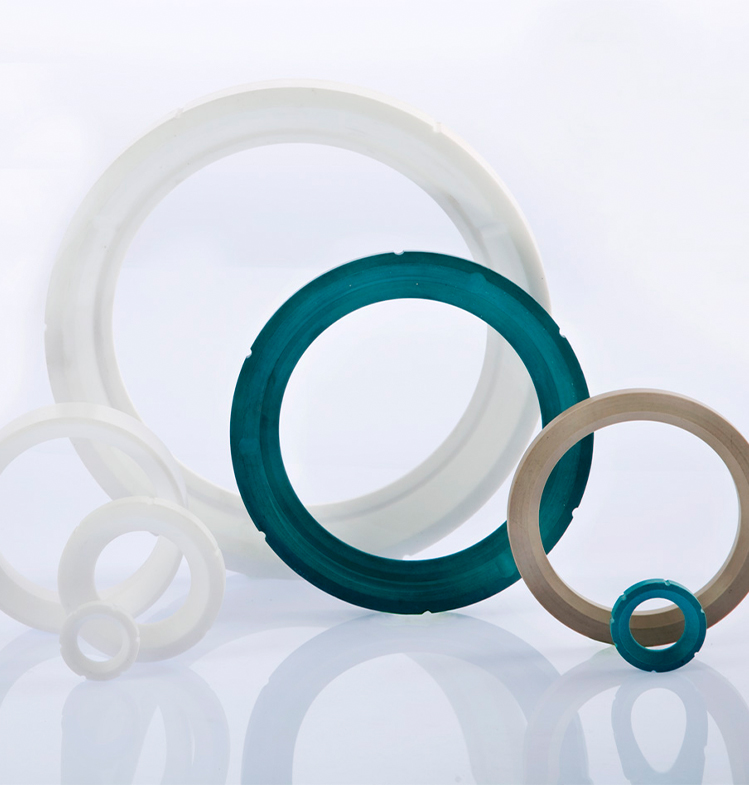

Rubber Gaskets are mechanical seals that are made from elastomeric materials with a flat surface area. They are designed to fill the space between two or more mating surfaces. They are typically used in static applications. They are used to prevent fluids from leaking out, under various operating conditions, while also blocking contaminants from entering the system. Rubber gaskets are essential components in numerous applications, providing reliable sealing solutions in a wide range of industries.
Applications of Rubber Gaskets as Sealing Solutions
Rubber gaskets are used extensively as sealing solutions due to their flexibility, resilience, and ability to withstand different environmental conditions. Here are some key industries where rubber gaskets are crucial:
- Automotive Industry: Rubber gaskets are used in engines, transmissions, and exhaust systems to prevent oil, coolant, and gas leaks. They are also found in doors and windows to provide weatherproof seals. They are used in places that require a low-pressure seal for passive components.
- Aerospace Industry: In aerospace applications, rubber gaskets are used to seal aircraft windows, doors, and fuel systems, propellants and oxidizer systems – ensuring safety and performance at high altitudes and varying pressures.
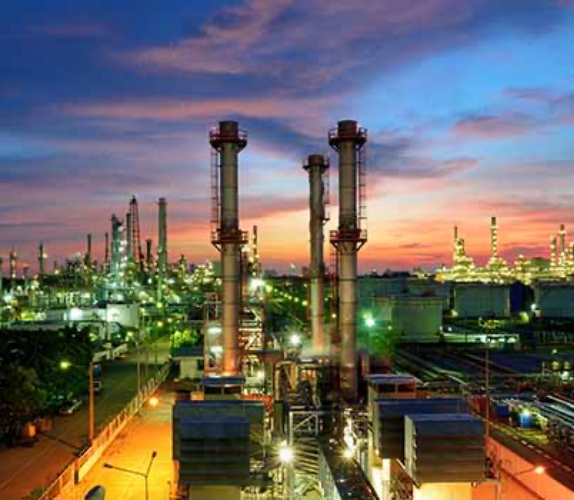
- Oil and Gas Industry: Rubber gaskets are employed in pipelines, valves, and flanges to prevent leakage of oil and gas under high pressure and temperature conditions.
- Chemical Industry: These gaskets are used in chemical processing equipment to prevent leakage of hazardous chemicals and ensure the integrity of the system.
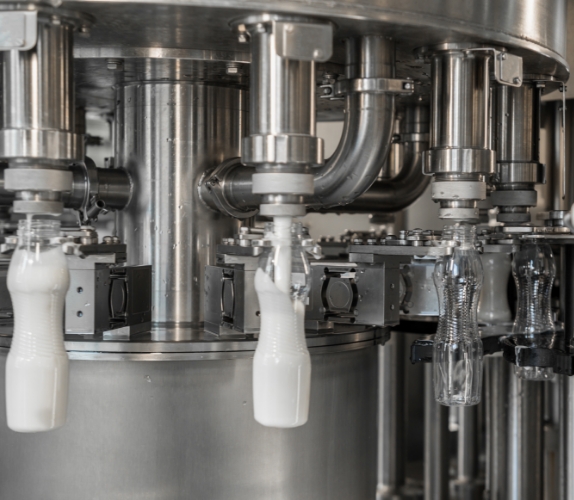
- Food and Beverage Industry: Rubber gaskets are used in food processing and packaging machinery to prevent contamination and maintain hygiene standards.
- Pharmaceutical Industry: In pharmaceutical manufacturing, rubber gaskets ensure the purity of products by preventing contamination during processing and packaging.
- Plumbing Applications: EPDM and Nitrile gaskets are used in plumbing systems to ensure leak-free connections. Rubber gaskets are a good choice in water utility and plumbing applications because they are affordable and are resistant to corrosion, water and chlorides.
Materials Used in Manufacturing Rubber Gaskets
Rubber gaskets are made from various elastomeric materials, each chosen for its specific properties and suitability for different applications. Common materials include:
-
- Natural Rubber (NR): Natural Rubber Gaskets possess good tear, abrasion and shear resistance.
- Nitrile Rubber (NBR): Nitrile rubber offers excellent resistance to oils, fuels, and other chemicals, making it ideal for automotive and industrial applications.
- Chloroprene (CR): Chloroprene gaskets are resistant to high aniline point oils, petroleum solvents and harsh climates and conditions. It has good mechanical properties over a wide temperature range from -40 deg C to 121 deg C.
- Silicone Rubber: Silicone gaskets can withstand high temperatures and are used in applications requiring thermal stability and resistance to UV and ozone. It is mainly used in the automotive, medical and food industry.
- Ethylene Propylene Diene Monomer (EPDM): EPDM rubber is resistant to weathering, ozone, and water, making it suitable for outdoor and automotive applications.
- FKM (Viton): Viton gaskets are highly resistant to chemicals, heat, and oil, commonly used in chemical processing and aerospace industries.
- PTFE (Teflon): PTFE Gaskets or more commonly known as Teflon gaskets possess outstanding chemical resistance. Since PTFE is hydrophobic and possesses a low coefficient of friction, Teflon gaskets are used for their non-stick properties. PTFE gaskets are also widely used against corrosive environments.
Types of Rubber Gaskets
Rubber gaskets come in various types, each designed for specific sealing requirements:
- Full-Face or Flat-Face Gaskets: These gaskets cover the entire flange surface and are used in applications where a complete seal is necessary. It is commonly used in applications requiring a broad sealing area to prevent leakage and withstand higher pressures.
- Ring Type Joint Gaskets: Ring gaskets, also known as ring-type joints (RTJs), are used in high-pressure applications. They fit into a groove on the flange face.
- Spiral Wound Gaskets: These gaskets consist of a mixture of metal and filler material wound in a spiral shape. They are used in high-pressure and high-temperature applications.
- Envelope Gaskets: These gaskets combine the low friction and chemical stability of PTFE with the mechanical strength of the inner rubber material. These gaskets are widely used in the Food & Beverage Industry as well as the Pharmaceutical and chemical industry. PTFE envelope gaskets can be removed easily and quickly without residue from the flange faces and new gaskets can be installed in no time.
Selection Criteria for Rubber Gaskets
Selecting the right rubber gasket for a specific application involves considering various factors to ensure optimal performance and longevity. The following criteria are essential when choosing a rubber gasket:
1. Operating Environment
- Temperature: Determine the maximum and minimum temperatures the gasket will be exposed to. Different materials have varying temperature resistance.
- Pressure: Assess the pressure conditions. High-pressure applications might require more robust gaskets like spiral wound or ring gaskets.
- Chemical Exposure: Identify the chemicals the gasket will come into contact with. Materials like PTFE or FKM are suitable for highly corrosive environments.
2. Material Compatibility
- Rubber Type: Select the rubber type based on its chemical and physical properties. For example, Nitrile rubber (NBR) is excellent for oil resistance, while EPDM is suitable for weather and ozone resistance.
- PTFE and Teflon: These materials offer excellent chemical resistance and are used in highly corrosive environments.
3. Mechanical Properties
- Hardness: Measured in Shore A, hardness affects the gasket’s ability to compress and seal under pressure. Applications requiring flexibility might need softer gaskets.
- Tensile Strength: Important for applications subjected to stretching or pulling forces.
- Compression Set: The gasket’s ability to return to its original thickness after being compressed. A low compression set is desirable for maintaining a good seal over time.
4. Design and Dimensions
- Size and Shape: Ensure the gasket dimensions match the flange or mating surfaces. Custom shapes may be required for specific applications.
- Thickness: The thickness of the gasket can affect its sealing ability. Thicker gaskets can fill larger gaps but may require more compression force.
5. Application-Specific Requirements
- Food and Pharmaceutical: Gaskets used in these industries need to comply with regulatory standards such as FDA approvals for food-grade materials.
- Outdoor Exposure: Applications exposed to weather elements should use materials resistant to UV, ozone, and other environmental factors.
- Electrical Insulation: In applications where electrical insulation is necessary, materials like silicone rubber may be preferred.
6. Cost and Availability
- Budget: Consider the cost of the gasket material and its lifespan. Sometimes a more expensive material can offer better performance and longevity, reducing overall costs.
- Availability: Ensure the selected gasket material is readily available to avoid delays in manufacturing or maintenance.
Summary of Rubber Gasket Applications
Rubber gaskets are versatile and find applications across various industries:
- Automotive and Aerospace: Used in engines, transmissions, fuel systems, and as weatherproof seals in doors and windows.
- Oil and Gas: Essential for sealing pipelines, valves, and flanges to prevent leaks and ensure safety.
- Chemical Processing: Used to seal reactors, pumps, and valves, ensuring no leakage of hazardous substances.
- Food and Beverage: Ensuring contamination-free processing and packaging by sealing machinery parts.
- Pharmaceuticals: Maintaining product purity during manufacturing and packaging processes.
Conclusion
Rubber gaskets are indispensable components in a myriad of applications, offering reliable sealing solutions across industries. Understanding their materials, types, and specific uses can help in selecting the right gasket for any sealing requirement. Whether in automotive, aerospace, oil and gas, chemical, food and beverage, or pharmaceutical industries, rubber gaskets play a crucial role in ensuring operational efficiency and safety.